
Child Welfare
Education Changes Everything, One Specific Purchase at a Time
A sponsorship that pays a school fee and stops there has solved the easiest part of the problem and left the rest exactly where it was.
By the Lift A Life Foundation team · · 5 min read
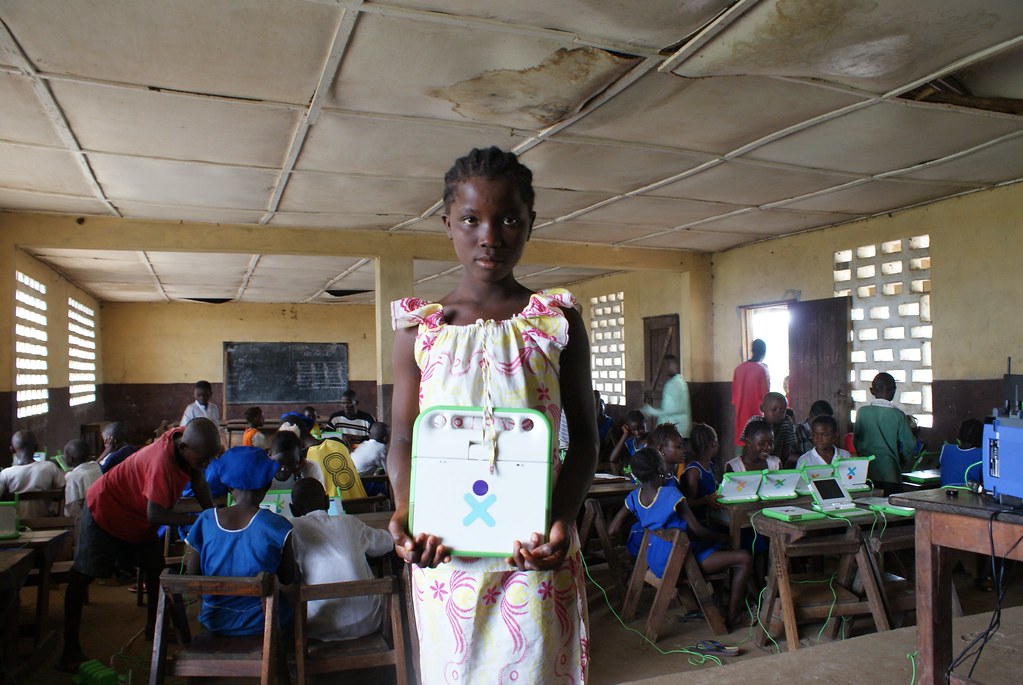
Ask almost anyone in Ruiru what would change a poor child's life and they will say school. They are right, and the reason is not sentimental. A child who finishes school earns more as an adult, is healthier, marries later, and is far more likely to keep their own children in school. Education is the one intervention that keeps working after the organisation that funded it has gone home.
That is why "sponsor a child" is such a persuasive appeal, and why it deserves more scrutiny than it usually gets. This article is about what keeping a child in school actually takes, what an honest sponsorship covers, and what we will and will not claim about our own work.
Fees are the smallest part of the problem
Primary education in Kenya is free in principle and secondary education is subsidised. So why do children still drop out? Because school costs money in a dozen places that are not called fees.
The uniform. A child without the right uniform is sent home, and a family that cannot afford one keeps the child home rather than face that. Shoes wear out. A jumper is lost. Each replacement is a small emergency.
The things the school asks for. Exam fees, a textbook the school does not stock, a calculator for a mathematics class, a contribution to a building fund, a trip. Each is small on its own. Together they arrive faster than a poor household can meet them, and each one unmet is a reason to stay home.
Food. A child who has not eaten does not learn, and a school lunch programme, where one exists, often carries a charge. Where it does not exist, the child walks home hungry at midday and may not walk back.
The household's need for the child. When a parent is ill, or has died, or is simply working every daylight hour, an older child becomes the one who fetches water, minds the younger ones, and runs the errands. School is not refused. It is quietly crowded out.
Any sponsorship that pays a school fee and stops there has solved the easiest part of the problem and left the rest exactly where it was.
What honest support looks like
We start with what the school has actually asked for. That sounds obvious, and it is the opposite of how a lot of sponsorship works, where a fixed amount is sent on a fixed date whether or not it matches the need. A head teacher can tell you, to the shilling, why a particular child is at risk of leaving. That list is the plan.
We look at the household, not only the child. A child cannot stay in school if the household cannot spare them. Sometimes the thing that keeps a girl in class is not a book but a water container closer to home, or an older relative getting the help they need so the child is released from caring. Our article on keeping a child in school after a parent dies goes into how that plays out.
We prefer to fix the specific thing that is missing rather than to fund a category. A uniform item, an examination fee, a set of books: named, costed, bought, and receipted. It is less impressive than "full scholarship" on a website. It is also what actually keeps the child in the room. Our piece on school costs that are not fees lists what those things tend to be.
And we ask the child and the family before we do anything. That is not a formality. A family that has not agreed to be helped will not tell you when the help stops working.
What we will and will not tell you about our own work
You will notice that this article contains no figures: no number of children sponsored, no percentage reaching secondary school, no count of classrooms. That is deliberate.
Until recently this website carried statistics of exactly that kind. Nobody had counted any of them. They came with the template the site was built on, and they were removed the day that was discovered, with a public note on our Impact and Accountability page explaining why. A number will appear on this site when somebody has counted it and can show the working, and not before.
What we can evidence today is our registration: certificate RSC/3811/CBO/2024, issued by the County Government of Kiambu on 22 February 2024, in Ruiru Sub County, Gitothua Ward, verifiable with the county. Three named officials. Quarterly returns that we file and are prepared to show. That is a smaller claim than a headline number. It is also one you can check.
What to ask any child-sponsorship charity, including us
- What, specifically, did the last child you supported need, and what did you buy? A real answer names things. A vague answer names outcomes.
- Who at the school do you talk to, and how often? Sponsorship without a relationship with the school is a bank transfer.
- What happens when the money stops? If the honest answer is "the child leaves school", the support was never built to last.
- How did you count the children you say you have helped? A good answer describes a method. A poor one repeats the number more slowly.
- Can you show me your registration and who your officials are?
If an organisation cannot answer these, that tells you something. If it can, that tells you more than any percentage on a homepage.
Education does change everything. It changes it one specific, unglamorous purchase at a time, for one named child at a time, with a school and a household that both agreed to it. That is the work, and it is the only version of the work we are willing to describe.
Lift A Life Foundation is a registered Community Based Organisation in Kiambu County. Certificate RSC/3811/CBO/2024. If you would like to support a child's schooling, ask us first what the school has actually asked for.
Support this work
Lift A Life Foundation is a registered community based organisation in Ruiru, Kiambu (RSC/3811/CBO/2024). Every shilling given goes into our work with children, older people and people living with disabilities.
M-Pesa: Lipa na M-Pesa, Paybill 400200, account number 1151353. The account is in the foundation's name.