
Accountability
Where Your Donation Goes, Step by Step
Where your money went is only half the question. Why it went there is the other half, and it is the half most charities never answer.
By the Lift A Life Foundation team · · 5 min read
Most people who give to a charity never find out where the money went. They receive a thank-you, perhaps a photograph, and a sentence about lives changed. That sentence tells them nothing. This article follows a gift to us from the moment it leaves your phone to the moment it is spent, and tells you at each step how you could check.
Step one: it arrives, and it is written down
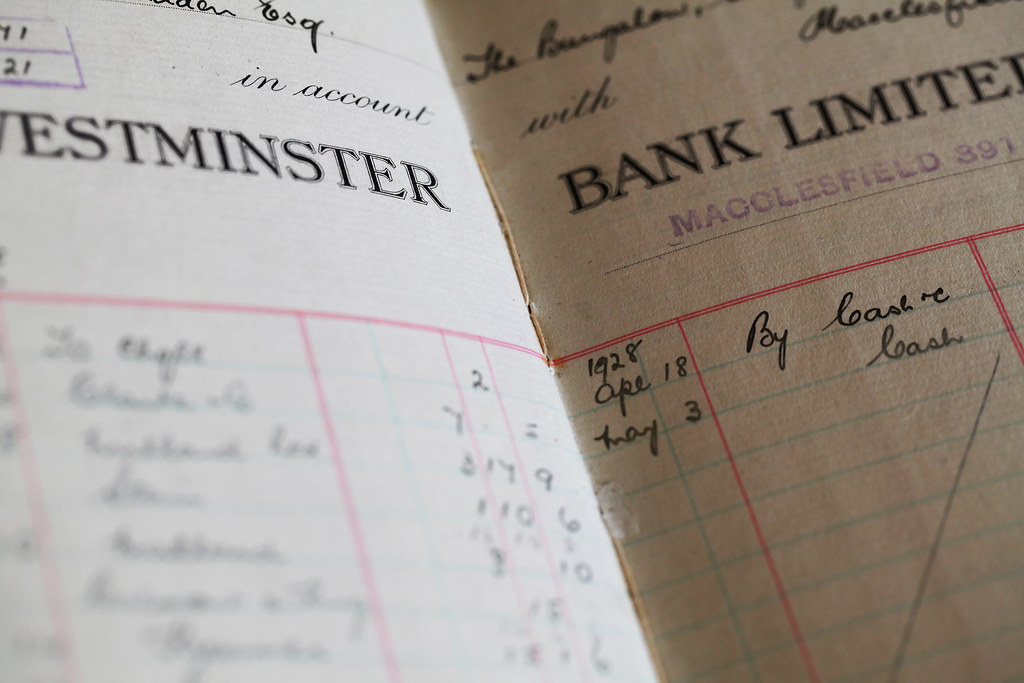
A gift reaches us by mobile money or by bank transfer. Both leave a record that is not ours to edit: the mobile money statement and the bank statement. The first thing that happens is that the gift is entered in our ledger, by date, amount, and source, and the transaction cost is entered beside it, because sending money is never free and we would rather you saw that than wondered.
Our article on what transparency means explains why we keep the ledger by hand and why that is a strength rather than a quaintness. A ledger that a treasurer can walk you through, line by line, is worth more than a dashboard nobody can question.
Step two: a decision is made, and it is written down too
Money is not spent because it has arrived. It is spent because a specific need has been identified on a visit, costed, and agreed. Who decides, and how, is set out in our article on how we decide who we help. The short version is that a need has to be seen by a person, not reported by a form, and that the household has to agree to be helped.
This is the step most charities skip in their reporting, and it is the one that matters most. Where your money went is only half the question. Why it went there is the other half.
Step three: it is spent on something specific
Our article on how a small donation is actually spent goes through the categories in detail. In brief: fares come first, because almost everything we do starts with somebody physically reaching a household. School requirements are the next category, the specific items a school has asked for that a household cannot meet. Then repairs and replacements, the walking aid or the phone or the spectacles whose loss cuts a person off. Then the costs of existing at all: bank charges, the receipt book, the registration renewal.
What you will not find is a salary. Nobody at Lift A Life Foundation is paid. That is not a claim of virtue; it is a description of our size. It does mean that a gift is not divided between the work and the people doing it, and it means the honest overhead of a small organisation, the fares and the bank charges, is visible instead of hidden inside a figure for "administration".
Step four: it is receipted
Everything bought is receipted, and the receipt is attached to the ledger line. A uniform item, a bag of maize flour, a matatu fare: each has a piece of paper behind it. Where a vendor cannot issue a receipt, the person who made the purchase writes one, signs it, and the second official countersigns it. It is slow. It is also the difference between "trust us" and "check us".
Step five: it is reported
As a registered Community Based Organisation we file returns with the County Government of Kiambu. Our article on quarterly returns explains what goes into them and why we file them even when nobody is asking, and our guide to reading one shows you what to look for in ours or anyone else's.
What we will and will not tell you
You will notice that this article gives you no percentage of your gift that "goes directly to beneficiaries", and no total raised or spent. That is deliberate. This website used to carry figures of exactly that kind, and nobody had counted them; they came with the template the site was built on, and they were removed the day that was discovered, with a public note on our Impact and Accountability page. A figure will appear here when it has been counted and can be shown with its working.
What we can evidence today is our registration: certificate RSC/3811/CBO/2024, issued by the County Government of Kiambu on 22 February 2024, in Ruiru Sub County, Gitothua Ward, verifiable with the county. Three named officials. A ledger, a receipt book, and returns that we file and will show you.
How to check us
- Ask to see the ledger. Not a summary of it. The book.
- Ask for a receipt for a specific purchase. Pick a line. Ask for the paper behind it.
- Verify the registration with the county. The certificate number is above; the county can confirm it and the names of the officials.
- Ask what we said no to. An organisation that has never declined a request is not making decisions. Our article on saying no is about that.
If you would like to support the work having read this, you can give here, and if you would like to ask any of the four questions first, please do. We would rather answer a hard question before a gift than a disappointed one afterwards.
Lift A Life Foundation is a registered Community Based Organisation in Kiambu County. Certificate RSC/3811/CBO/2024. Ask to see the ledger before you give. Not a summary of it. The book.
Support this work
Lift A Life Foundation is a registered community based organisation in Ruiru, Kiambu (RSC/3811/CBO/2024). Every shilling given goes into our work with children, older people and people living with disabilities.
M-Pesa: Lipa na M-Pesa, Paybill 400200, account number 1151353. The account is in the foundation's name.