
Children
Keeping Children Safe in the School Holidays
More than two months at home, often with every adult out at work. A named adult for each day and a few checks around the house close most of the gap.
By the Lift A Life Foundation team · · 6 min read
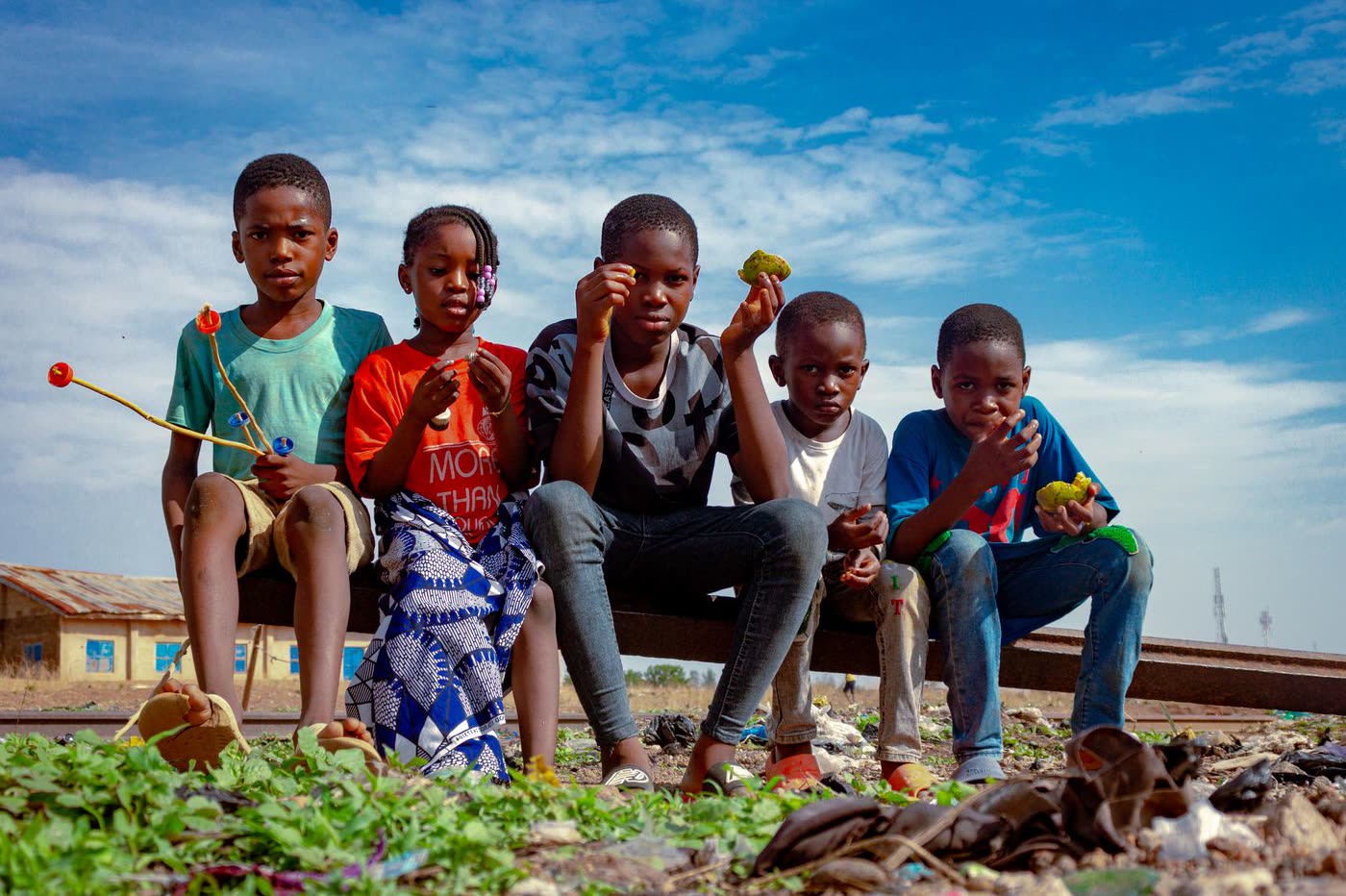
The long school holiday is here. According to the Ministry of Education's 2026 calendar, as reported by Education News, schools closed for the third term on 23 October and the December holiday runs until 1 January 2027. That is more than two months in which children are at home all day while, in many Ruiru households, every adult is out working.
Most children come through the holiday safely. But the risks change when school stops. There is nobody taking a register, nobody noticing that a child has not eaten, and a lot more unsupervised time near roads, water and adults the family does not know well. This article is a practical plan for that gap: who watches the children, what to check around the home, what to tell the children, and who to call if something goes wrong.
Decide who is responsible, every day
The most common holiday problem is not a stranger. It is the assumption that someone else is watching. A neighbour thinks the older sister is in charge, the older sister thinks the neighbour is, and a four-year-old spends the afternoon on the road.
Name one adult for each day. Write it down if it helps: Monday, the neighbour; Tuesday, grandmother; Wednesday, an aunt. If nobody is available for a day, that is the day to change something, not the day to hope.
Be careful how much you leave to an older child. A twelve-year-old can help, but should not be the only person responsible for a baby or a toddler all day, every day. It is too much, it takes them away from their own rest and revision, and they may not know what to do in an emergency. If an older child does help, make sure they know the name and number of an adult nearby who will come.
Agree the rules with whoever minds the children. Who may visit the house, whether the children may leave the compound, what they may eat, and what to do if a child is hurt or goes missing. Say it once, clearly, before the first day.
Water, roads and the home
Water is the quiet danger. The World Health Organization's fact sheet on drowning says children under five account for nearly a quarter of all drowning deaths. A small child can drown in a bucket, a water tank, a pit or a flooded trench, and it happens silently. WHO lists covering wells, using doorway barriers and supervised childcare for pre-school children among the measures that prevent it. In practice: keep lids on tanks and drums, empty basins after use, and know where the open water is near your home.
The rains add to it. The Kenya Meteorological Department's outlook for October to December 2026 expects above-average rain in Kiambu, continuing into January. Flooded quarries, drainage channels and swollen streams draw children to play. Tell them plainly that flowing or brown water is off limits, even for older children who can swim.
Roads. Agree where children may play and make it somewhere away from traffic. Small children should cross only with an adult.
Inside the house. Paraffin, medicines, rat poison and cleaning products should be out of reach and in their own labelled containers, never in a soda bottle. Keep matches high up, and do not leave a small child alone with a lit jiko or stove.
Adults, work and the long days
Know where they are and who they are with. Holidays bring visiting relatives, new friends, tuition, church camps and errands to the shop. It is reasonable to ask any adult or group taking charge of your child who will be supervising, where, and until what time. A good organisation will be pleased that you asked.
Watch for gifts and secrets. An adult who gives a child money, airtime or rides and asks them to keep it quiet is a warning sign, whoever they are. Teach children that no adult should ask them to keep a secret from their parents, and that they will not be in trouble for telling you.
Holiday work. Helping at home is normal. Being sent to work for someone else is different. Section 18 of the Children Act, 2022 says no person shall subject a child to child labour, domestic servitude, economic exploitation, or work that is hazardous, interferes with their education or is likely to harm their health or development. A child sent to herd, sell or do housework for a stranger over the holiday may be in exactly that situation.
Screens and phones. More free time usually means more time on a phone. Our guide to keeping children safe online with one shared phone covers the settings and conversations that matter.
Food and routine
For some children, school is where the reliable meal was. A child who seems hungrier, quieter or thinner in December may simply not be eating enough at home. A simple daily routine also helps: a time to get up, a meal, some reading or revision, play, and a time to be home before dark. Children cope better with long days when the days have a shape.
A short checklist
- One named adult responsible for the children each day of the holiday.
- Older children who help know which neighbour to call and have the number.
- Tanks, drums and basins covered or emptied; children told to keep away from flood water.
- Paraffin, medicines and poisons out of reach and in labelled containers.
- You know where your child is, who is supervising, and when they will be back.
- Children know they can tell you anything, including secrets an adult asked them to keep.
- The number 116 written somewhere everyone in the house can see it.
If something goes wrong
If a child is in immediate danger, call for help nearby and go to the police. For anything that worries you about a child's safety, call the National Child Helpline on 116. It is run by Childline Kenya on behalf of the Government's Department of Children's Services, and according to Childline Kenya's website it is toll free and available around the clock from any mobile phone in Kenya. You can also go to the sub-county children's officer.
If you are not sure whether what you have seen is serious, write down what you noticed, when, and who was there. How to Refer a Child Who Needs Help explains how to take that to the right office in Kiambu, and The Neighbour Is the First Responder explains why noticing matters so much.
Where we fit
Lift A Life Foundation is a community based organisation in Ruiru, registered with the County Government of Kiambu, certificate RSC/3811/CBO/2024. We do not run a day care and we cannot supervise children for families. What we can do is help a carer think through a holiday plan, connect a worried family with the children's officer or the helpline, and follow up. If that would help, contact us. If you would like to support this work, you can donate or get involved.
Lift A Life Foundation is a registered Community Based Organisation in Kiambu County. Certificate RSC/3811/CBO/2024. Ask us anything about what we do and how it is paid for.