
Older people
Older People and the Short Rains
The short rains bring cold rooms, slippery paths and dirty water. For an older person living alone, a little planning before the next storm goes a long way.
By the Lift A Life Foundation team · · 6 min read
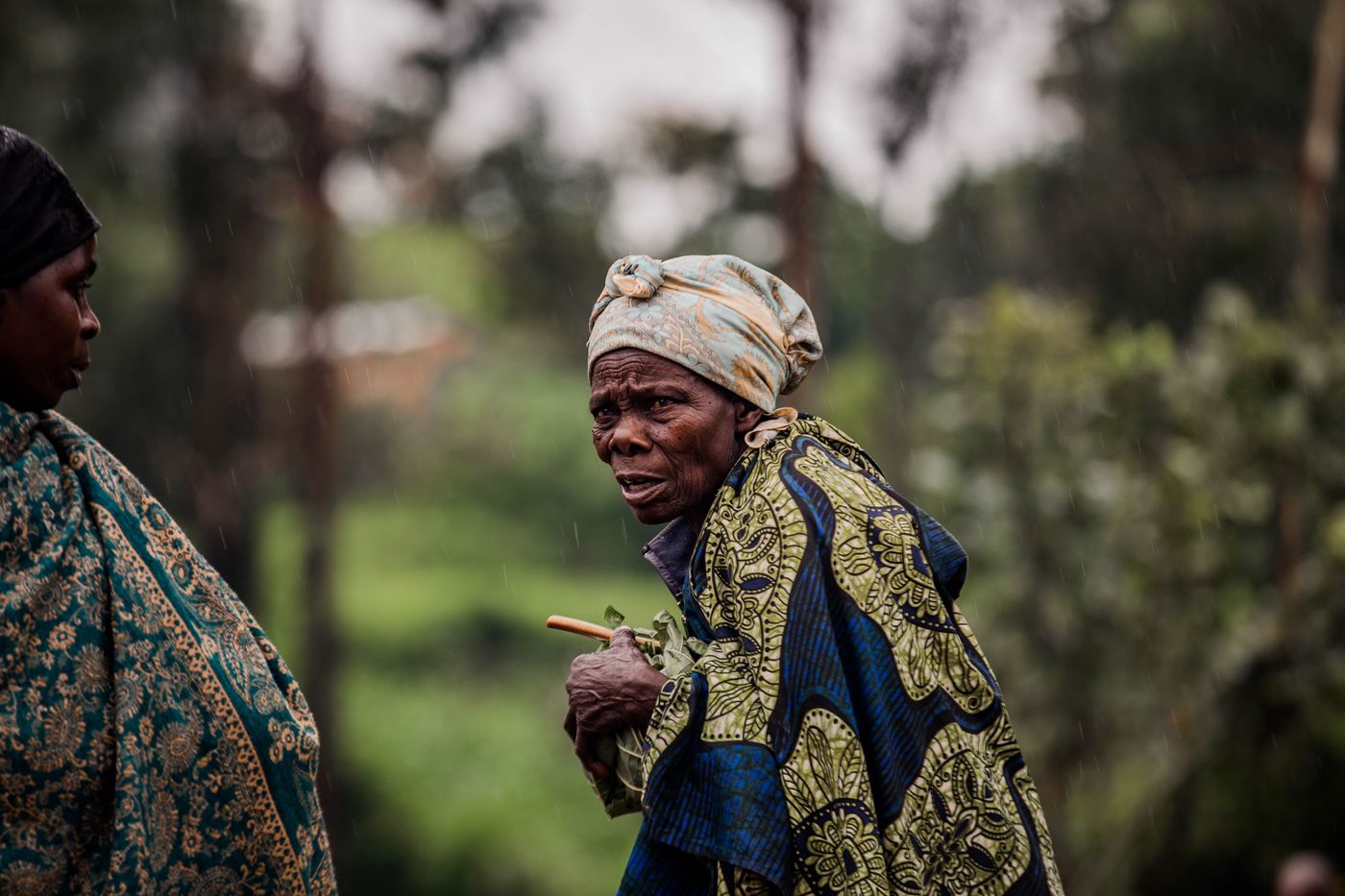
The short rains have arrived in Kiambu, and this year they are expected to be heavy. The Kenya Meteorological Department's outlook for October, November and December 2026, issued on 31 August, forecasts above-average rainfall for Kiambu, with the rains starting in the second to third week of October and continuing into January. The same outlook warns of flash floods, landslides, disrupted water supplies and a higher risk of water-borne diseases such as cholera.
For most households the rains are an inconvenience. For an older person living alone, or with a carer who is out all day, a wet season brings particular dangers: slippery ground, a cold and damp house, a jiko brought indoors for warmth, dirty water, and a clinic that is harder to reach. This article is a practical checklist for families, neighbours and carers.
Why older people are more exposed
The Meteorological Department's outlook itself names older persons, along with children, pregnant women and people with chronic illnesses, among the vulnerable groups during this season, and recommends outreach health services for people with disabilities and chronic illnesses. In plain terms, an older person is more likely to fall on wet ground, more likely to become seriously ill from diarrhoea or a chest infection, and less likely to ask for help.
Keep the fire outside, or the air moving
When it is cold and wet, it is tempting to bring the charcoal jiko inside and close the door and window. Do not. Burning charcoal gives off carbon monoxide, a gas you cannot see or smell. The US Centers for Disease Control and Prevention (CDC), in its health alerts on carbon monoxide, warns that charcoal and other fuel-burning devices should never be used inside a home, and lists older adults and people with heart or lung disease among those particularly vulnerable. It names headache, dizziness, weakness, nausea, vomiting, chest pain and confusion as the common symptoms.
The World Health Organization's fact sheet on household air pollution adds that smoke from solid fuels and kerosene in the home is linked to heart disease, stroke, chest infections and chronic lung disease.
- Cook outside or in a well-ventilated kitchen, not in the room where someone sleeps.
- Never leave a jiko burning in a closed room overnight for warmth.
- If an older person who has been near a jiko or stove is confused, drowsy or has a headache and is vomiting, get them into fresh air at once and get medical help.
Warmth without fire
Keeping warm safely is mostly about bedding and clothing. A dry mattress raised off a damp floor, an extra blanket, socks, a warm hat at night and a hot drink before bed all help. Check that the roof does not leak over the bed, and move the bed if it does. Damp bedding should be dried on the next sunny day, not slept in.
Wet floors and paths
Falls are already the biggest everyday risk for many older people, and the rains make every surface worse. Our guide to preventing falls at home has the full list. For this season in particular:
- Put ash, sand or gravel on the muddy path to the latrine and the gate.
- Make sure there is a light, a torch or a phone torch beside the bed for night trips.
- Wipe up water at the door, and put a dry sack or mat down where people step in from outside.
- Check that shoes or sandals have grip. Smooth soles on wet concrete are a common cause of falls.
- If the latrine path becomes dangerous at night, agree a safe alternative, such as a covered bucket indoors.
Clean water and diarrhoea
Floods can wash dirt into wells, tanks and broken pipes. The Meteorological Department's outlook warns that flooding may damage water and sanitation systems and raise the risk of cholera. The World Health Organization says cholera can cause severe watery diarrhoea that can kill within hours if untreated, and that most people can be treated successfully with prompt oral rehydration solution (ORS).
- Boil or treat drinking water during the rains, even if you usually do not.
- Keep drinking water covered, and use a cup with a handle to scoop it out.
- Wash hands with soap after the latrine and before eating or preparing food.
- Keep a few sachets of ORS in the house. They are sold cheaply at chemists.
- If an older person has watery diarrhoea or vomiting and cannot keep fluids down, take them to a health facility the same day. Older people become dehydrated quickly.
Plan for being cut off
Heavy rain can make roads impassable and keep a carer from getting through. Before it happens:
- Make sure there is enough of any regular medicine to last at least two weeks, and that it is kept dry.
- Keep the clinic card, ID and SHA details together in a plastic bag. If cover has not yet been arranged, our guide to registering an older relative with SHA explains how.
- Agree with one neighbour that they will look in on the older person every day the carer cannot.
- Save the numbers of that neighbour, the nearest health facility and the Community Health Promoter in the older person's phone, or write them on paper by the door.
- If the house is in a low-lying or flood-prone spot, decide now where the older person would go if water comes in.
A short checklist
- No jiko burning in a closed room, and never overnight.
- Dry bedding off the floor, an extra blanket, and warm clothes for night.
- Paths to the latrine and gate made less slippery, and a torch by the bed.
- Drinking water boiled or treated, covered, and ORS in the house.
- Two weeks of regular medicines, kept dry.
- One neighbour checking in daily, and emergency numbers by the door.
Where we fit
Lift A Life Foundation is a community based organisation in Ruiru, registered with the County Government of Kiambu, certificate RSC/3811/CBO/2024. We are not a health service and we cannot give medical advice. What we can do is visit with a family's agreement, help work through a checklist like this one, and connect an older person with the Community Health Promoter, the clinic or the county. If someone you know is facing the rains alone, contact us. If you can spare an hour a week to check on a neighbour, see how to get involved.
Lift A Life Foundation is a registered Community Based Organisation in Kiambu County. Certificate RSC/3811/CBO/2024. Ask us anything about what we do and how it is paid for.