
Get Involved
Ways to Get Involved That Actually Help
The most valuable thing a person can do for us costs nothing, and most people never think to do it.
By the Lift A Life Foundation team · · 5 min read
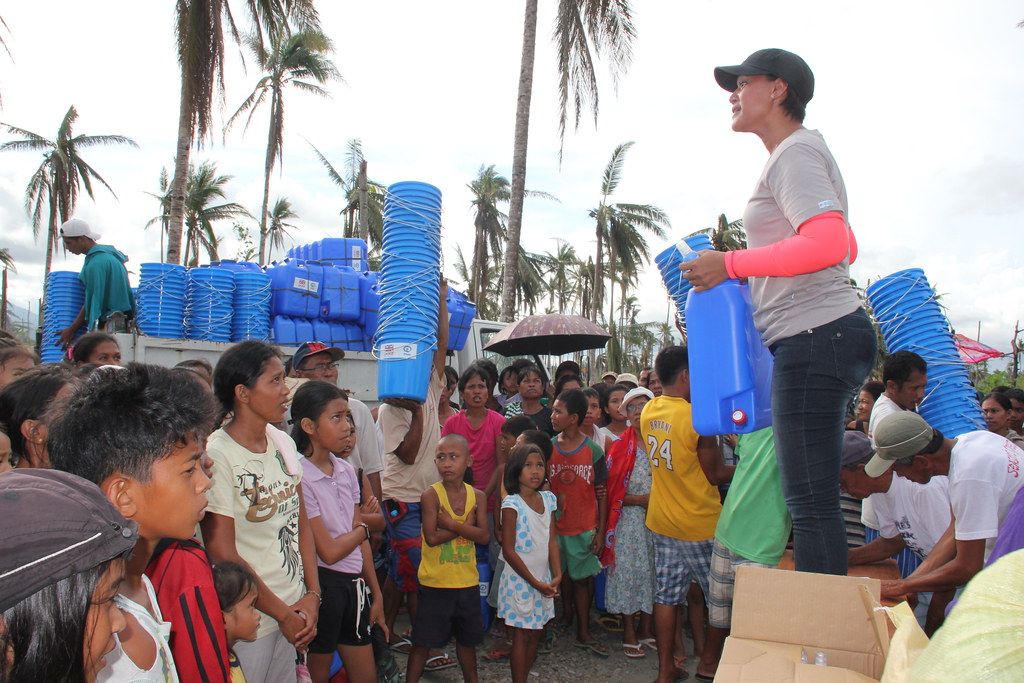
People ask how they can help, and they usually expect one of two answers: give money, or come and volunteer. Both are real, and neither is the most useful thing on this list. This article is about the ways to get involved with a small Community Based Organisation in Ruiru that actually move the work forward, and the ways that quietly make work for us instead.
Tell us about someone
The most valuable thing a person can do for us costs nothing. Almost everyone we look after was first noticed by somebody two gates down: a neighbour who saw the older man stop coming out, a teacher who noticed the child in the same uniform for a term, a shopkeeper who saw a grandmother counting coins. Those people are the first responders, and most of them never tell anyone.
If you know a household in Ruiru or the surrounding wards where something is quietly wrong, tell us. You do not need to be sure. You do not need permission from the household; we will ask that ourselves, properly, before we do anything. Our article on referring a child explains what happens after you tell us, and the neighbour is the first responder explains why we think this is the most important paragraph on the site.
Give what a visit actually costs
Everything we do starts with somebody physically reaching a household, and that costs a fare. A gift that covers fares, phone credit to check on a person between visits, and the specific things a household turns out to need is worth more to us than a large gift restricted to a purpose we then have to invent a need for. Our article on how a small donation is spent shows the categories, and where your donation goes follows one gift from your phone to the receipt.
Give by mobile money or bank transfer rather than cash, so there is a record on both sides that neither of us can edit. Ask for the receipt. Ask to see the ledger. We would rather be checked than trusted.
Give in kind, but ask first
A sack of maize flour, a box of exercise books, a walking frame: all of these have helped a real household, and all of them have also arrived when nobody needed them and sat in a corner. The difference is one phone call. Tell us what you have, and we will tell you honestly whether there is a household that needs it this month. If there is not, we will say so, and we would rather you kept it than gave it to us to store. Our article on giving in kind lists what tends to help and what tends not to.
Volunteer without making work for us
We are small. A volunteer who needs organising, supervising and thanking can cost more of a Saturday than they contribute. The volunteers who help most bring a specific thing: a skill, a vehicle, a relationship with a school or a clinic, or simply the willingness to do the same unglamorous thing on the same day every month.
The visits that matter most are the routine ones, to the same older person, at the same time, so that somebody notices the week things change. If you can commit to one household, regularly, that is worth more than a dozen people for one afternoon. Our article on volunteering is blunt about this, and it is meant kindly.
Lend us your standing
A small organisation's hardest problem is not money. It is being believed. A head teacher, a chief's office, a clinic or a business that already knows us can open a door in a morning that would take us a year on our own. If you are in a position to vouch for us, having checked us, that is a form of help most people never think to offer. Our article on working with the chief and the county describes how those relationships work, and how businesses can partner covers what a company can usefully do beyond writing a cheque.
Check us, and say so
Every form of help above works better if you have checked us first. We are a registered Community Based Organisation: certificate RSC/3811/CBO/2024, issued by the County Government of Kiambu on 22 February 2024, in Ruiru Sub County, Gitothua Ward, verifiable with the county. Three named officials. Quarterly returns that we file whether or not anyone asks. Our guide to choosing a charity tells you what to ask any organisation, including this one.
You will notice that this article contains no count of volunteers, donors, households or beneficiaries. That is deliberate. This website used to carry figures of that kind; nobody had counted them, and they were removed the day that was discovered, with a public note on our Impact and Accountability page. A number will appear here when somebody has counted it and can show the working.
Where to start
If you have read this far and want to do one thing today, do the first one: think of a household you have quietly worried about, and tell us. If you want to give, give what a visit costs, and ask for the receipt. If you want to volunteer, tell us the one thing you can do reliably, and we will tell you honestly whether we need it. That is the whole of getting involved with an organisation our size: specific, regular, and checked.
Lift A Life Foundation is a registered Community Based Organisation in Kiambu County. Certificate RSC/3811/CBO/2024. Know a household in Ruiru where something is quietly wrong? Tell us. We will ask them ourselves before we do anything.
Support this work
Lift A Life Foundation is a registered community based organisation in Ruiru, Kiambu (RSC/3811/CBO/2024). Every shilling given goes into our work with children, older people and people living with disabilities.
M-Pesa: Lipa na M-Pesa, Paybill 400200, account number 1151353. The account is in the foundation's name.