
Community
What a Chama Can and Cannot Do in a Family Crisis
A chama is often the fastest help a family has. It lasts longer when it knows its limits.
By the Lift A Life Foundation team · · 6 min read
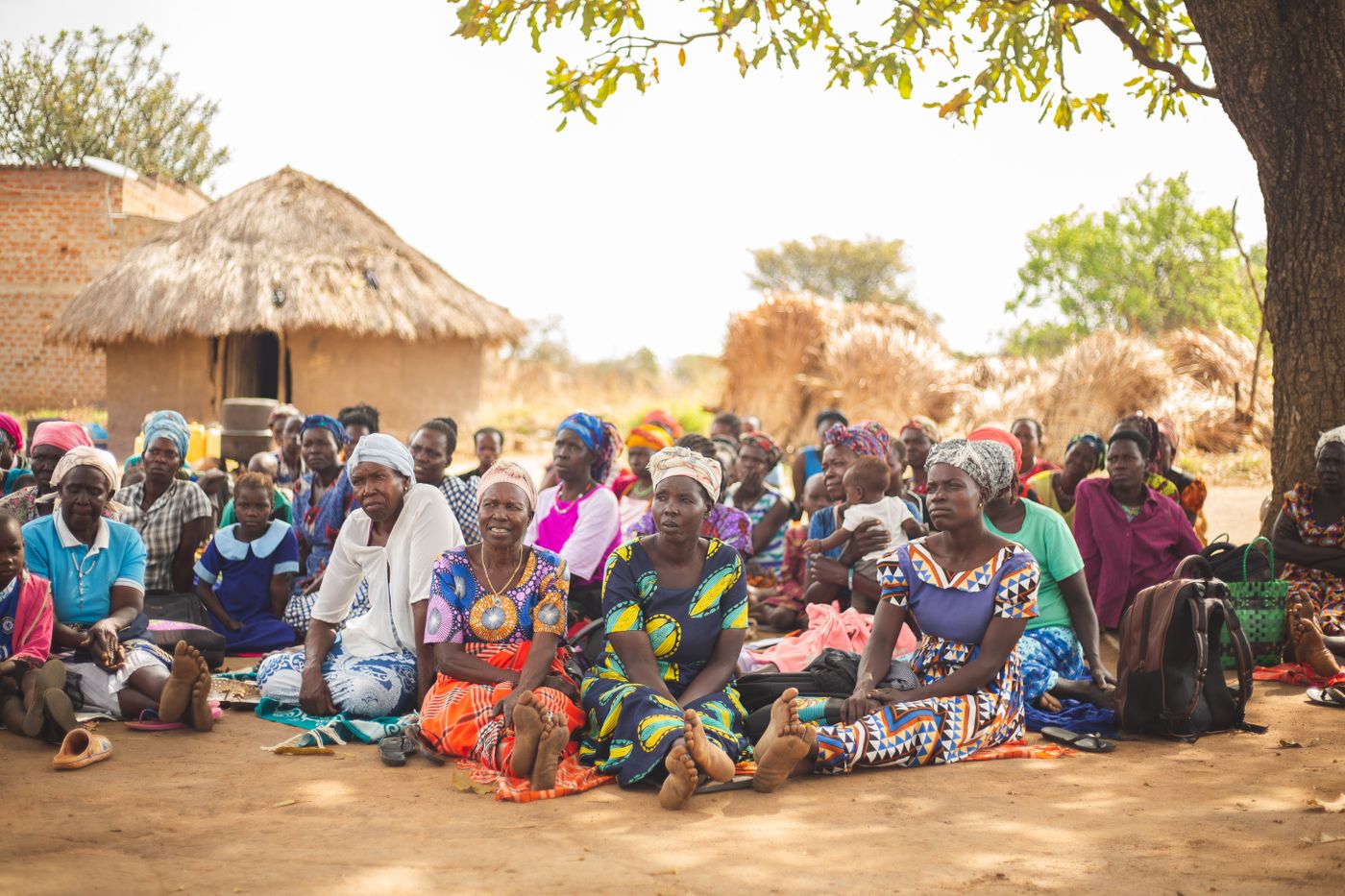
When a family in Ruiru is hit by something sudden, a hospital admission, a death, a fire, a job lost overnight, one of the first places it turns is the chama. The women's group that meets on the last Sunday of the month, the merry-go-round at the workplace, the welfare group from the home village: these are often the fastest and kindest help a family has.
They are also easy to lean on too hard. A chama that tries to be a hospital fund, a bank and a social worker all at once can be broken by one bad month, and the friendships inside it with it. This article is for members and officials who want their group to help well in a crisis and still be standing afterwards.
What a chama does well
It moves fast. A chama does not need a committee in Nairobi to approve anything. Members can agree on a phone call, and money can be on M-PESA the same evening. In the first days of a crisis, that speed matters more than the amount.
It knows the family. Members know whether the father has been ill for months, whether there is a teenager left in charge of small children, whether the grandmother can still cook. No outside organisation can match that knowledge.
It can bring forward a turn. In a merry-go-round, the group can agree to give the family its payout early and let them take a later turn in exchange. Nobody is out of pocket, and the family gets a lump sum when it is needed.
It can give time, not just money. A rota of members who cook, collect children from school, sit at the hospital so the main carer can sleep, or walk with the family to the chief's office is often worth more than a contribution. Carers in particular are worn down by being alone with the work. Our article on respite and what carers need explains why a few hours off matter so much.
It can help with the paperwork. A crisis brings forms: hospital bills, SHA registration, a death certificate, a bursary or school transfer. A member who reads well and is patient can make sure nothing is missed. If an older person or carer has not yet registered with the Social Health Authority, Registering an Older Relative with SHA walks through it.
What a chama cannot do, and should not try to
It cannot replace health cover. A large hospital bill can be far beyond what a group of twenty households can raise, however generous. A collection may help with transport and food during an admission, but the lasting protection is for each household to be registered and up to date with SHA before anything happens.
It cannot lend money it does not have. Groups that run table banking sometimes lend a member in crisis far more than their savings, or keep extending a loan that will never be repaid. That puts every other member's savings at risk. It is better to give a small amount openly as a gift than to pretend a large amount is a loan.
It cannot force members to give. Welfare contributions work when the rules were agreed in advance and written down. Asking members for a fresh contribution every time a new crisis arrives, with pressure and public lists of who has not paid, is how groups fall apart.
It cannot keep secrets for a family, or tell them. A member who is ill, or whose child is in trouble, may share things with the group they would not want repeated at church or at the market. Agree as a group that what is said about a family's crisis stays in the group.
It cannot be the only help. Some things need people with powers a chama does not have. A child at risk needs the National Child Helpline 116 or the children's officer. Someone in danger needs the police. An older person who has stopped eating or a person who is very ill needs a health worker. A chama's job is to notice and to walk with the family to the right door. Referral Is Not Abandonment explains why handing a problem on is not giving up on it.
Set the welfare rules before the crisis
The groups that help best in a crisis decided how they would help on a quiet day. At your next meeting, agree and write into your minutes:
- What counts as a welfare event. For example a death in a member's immediate family, a hospital admission of more than a few days, or a house fire.
- A fixed amount, or a fixed contribution per member, for each kind of event, so that nobody has to argue about it on the worst day of someone's life.
- Whether welfare money comes from a separate kitty built up a little each month, rather than from savings members expect back.
- Who can approve a payout between meetings, and how it will be reported at the next one.
- How the group will help with time, such as a rota for meals or visits.
Then keep a simple record of every payout: date, member, reason, amount, who approved it. It protects the treasurer as much as the members.
Should the group register?
Many chamas never register, and they do not have to in order to meet and save together. Registering can help if the group wants a bank account in its own name or to work with government and other partners. The State Department for Social Protection's website lists what a self-help group needs to register: a name search, minutes of the meeting seeking registration showing the elected officials, a list of members with names, positions, ID numbers, phone numbers and signatures, a constitution, copies of members' IDs, and a fee of Ksh 1,000. Registration is handled at sub-county social development offices and Huduma Centres. Its site says the certificate must be renewed annually after the first two years, and that registered groups must submit annual progress reports. Requirements can change, so confirm with your sub-county social development officer before you start.
If your group is thinking of growing into something that supports people beyond its own members, our article on starting a community group describes what we learned registering as a CBO in Kiambu.
A short checklist for chama officials
- Write welfare rules into the minutes before anyone needs them.
- Keep welfare money separate from savings.
- Give openly and modestly rather than lending beyond your means.
- Organise time as well as money: meals, visits, school runs.
- Keep what members share about a crisis inside the group.
- Know who to call: 116 for a child, the police for danger, a health worker for illness, the chief for documents.
- Record every payout and report it at the next meeting.
Where we fit
Lift A Life Foundation is a community based organisation in Ruiru, registered with the County Government of Kiambu, certificate RSC/3811/CBO/2024. We are not a lender and we cannot take over a group's welfare fund. What we can do is talk with a chama's officials about how to set up welfare rules, help a family in crisis find the right office, and follow up. If that would help, contact us. If you would like to support this kind of work, you can donate or get involved.
Lift A Life Foundation is a registered Community Based Organisation in Kiambu County. Certificate RSC/3811/CBO/2024. Ask us anything about what we do and how it is paid for.
Support this work
Lift A Life Foundation is a registered community based organisation in Ruiru, Kiambu (RSC/3811/CBO/2024). Every shilling given goes into our work with children, older people and people living with disabilities.
M-Pesa: Lipa na M-Pesa, Paybill 400200, account number 1151353. The account is in the foundation's name.