
Disability
A Wheelchair Is Not the Whole Answer
Equipment is the easiest part of the problem to photograph and the smaller part to solve.
By the Lift A Life Foundation team · · 6 min read
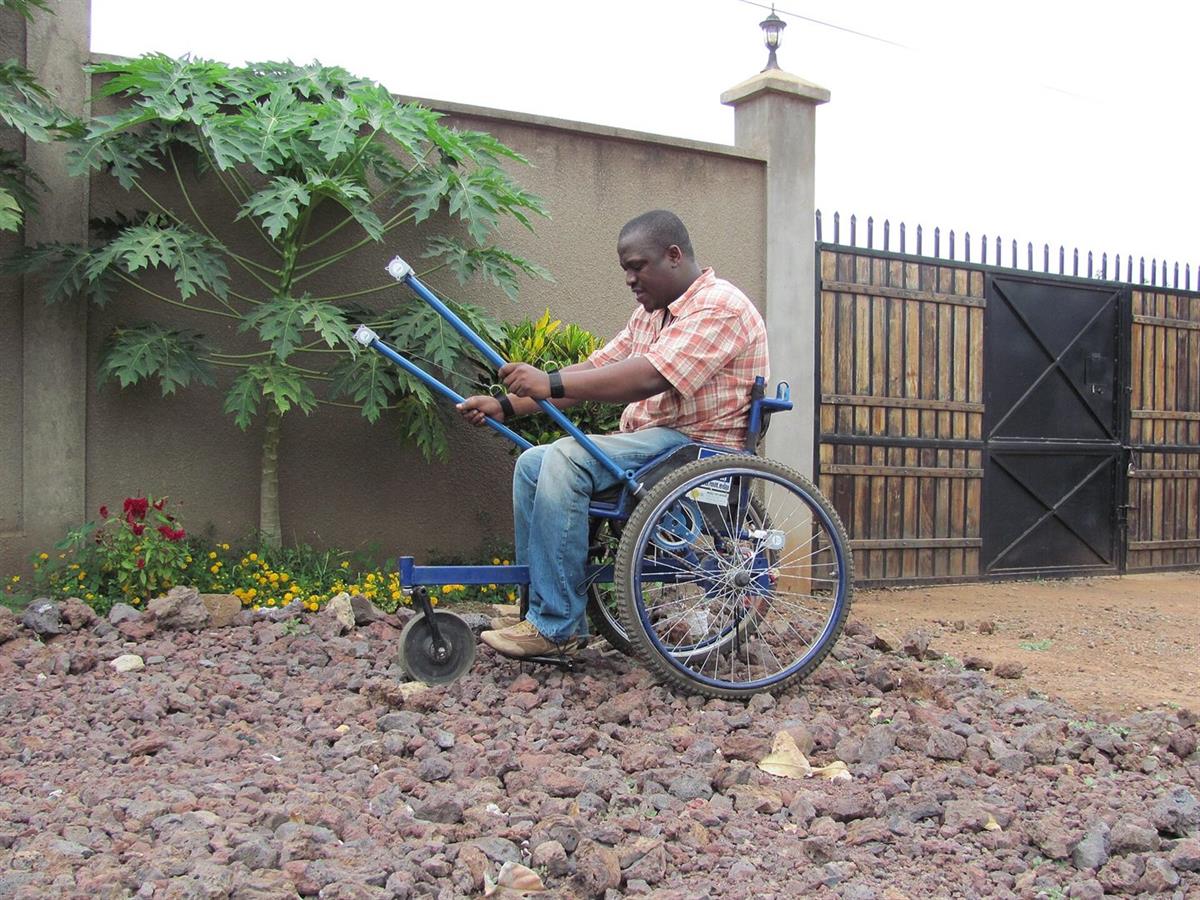
A wheelchair is the easiest part of disability to photograph. Somebody hands over a chair, somebody sits in it, and the picture looks like a problem solved. It rarely is.
Equipment matters. But it is the smaller part of the work, and the part most likely to be done badly, because it is the only part that looks finished on the day it is delivered. This is what we think about before anyone is promised a chair.
What a chair does not come with
A way out of the house. A single step at the door is enough to settle the matter. Without a ramp, or somebody willing to lift the chair over the threshold every time, a chair works in one room.
A latrine that can be reached. This is the question nobody raises in front of visitors, and it is the one that decides whether a person gets out of bed at all. A latrine down a narrow path with a raised step is not reachable in a chair, and most households will not say so unless they are asked directly.
A route that survives the rains. A path that is firm in dry weather is deep mud for weeks at a time. Wheels that manage a compound in one season do not manage the same compound in another.
Somebody with the strength to lift and to push. Where the carer is elderly, or is a child, or is one person running the whole household alone, a chair can add work rather than remove it.
A repairer. Tyres puncture, bearings seize, footrests break and castors bend. A chair with a flat tyre and nobody nearby who mends them is furniture.
A chair that does not fit causes harm
Sizing is clinical, not approximate. Seat width, seat depth, backrest height and footrest position are measured against the person. A chair that is too wide offers no support, so the body slides and leans. A chair that is too narrow presses.
Pressure sores begin with sitting. Somebody who cannot shift their own weight, in a seat that does not spread it, on a cushion that is wrong or missing, will develop sores. They start quietly, they are painful, they become infected, and they are far harder to treat than to prevent.
Children grow. A chair that fits a child fits for a while and then starts to work against them, and posture that is allowed to set is difficult to undo.
None of this is a reason not to provide equipment. It is a reason not to provide it without an assessment by somebody qualified to measure and to prescribe.
Equipment that sits unused
Visit enough households and you find donated items in a corner, still working, never used.
It was not the thing that was needed. Somebody who cannot stand safely to wash needs a way to wash sitting down more than they need a walking frame. Only the household knows which is which.
It does not fit the building. A chair wider than the doorway. A frame that cannot be turned in the space available. Measurements taken from a catalogue rather than from the home.
It has running costs nobody planned for. Batteries, spare parts, a tyre. Equipment that needs a small sum regularly stops being used in a household that does not have it.
An unused item is not harmless. It spent money that could have bought the thing that was actually wanted, and it leaves a family feeling they ought to be grateful for something that did not help.
What we ask before anyone promises equipment
We are a small Community Based Organisation and we do not hold clinical expertise ourselves. What we can do is ask the right questions first and bring in the people who do.
What is this person trying to do that they cannot do now? Reach the latrine. Get to school. Sit up long enough to eat with the family. The answer decides the equipment, not the other way round.
Has anybody qualified measured them? If not, that assessment comes before any promise, because a wrongly fitted chair is not a partial success.
What lies between the chair and the road? Door width, thresholds, the slope of the compound, the path in the wet season, and how the latrine is reached.
Who lifts, who pushes, and who repairs it? If there is no answer to any of those three, the answer to the equipment question changes.
Why we say this plainly
Caring for persons with disabilities is one of the activities we are registered for, alongside advocacy and networking, and this is a large part of what networking means in practice. Often the useful thing we do is not handing over an item. It is knowing who assesses, who fits, who repairs, and which office to approach.
It also means saying no to the photograph sometimes. A household asked what it needs will occasionally answer that a ramp and a level path matter more than the chair, and that answer should be allowed to stand.
If you are caring for somebody in Ruiru or the surrounding communities and you are weighing up equipment, get in touch before you buy. If you were thinking of funding a chair for a family, talk to us first, so that what arrives is the thing they can actually use.
Lift A Life Foundation is a registered Community Based Organisation in Kiambu County. Certificate RSC/3811/CBO/2024. Ask us anything about what we do and how it is paid for.