
Advocacy
Birth Certificates, and Why a Child Needs One
A piece of paper a child will never hold decides school registration, exams, an identity card, inheritance and a hospital record. The children most likely to be without it are the ones already in our care.
By the Lift A Life Foundation team · · 6 min read
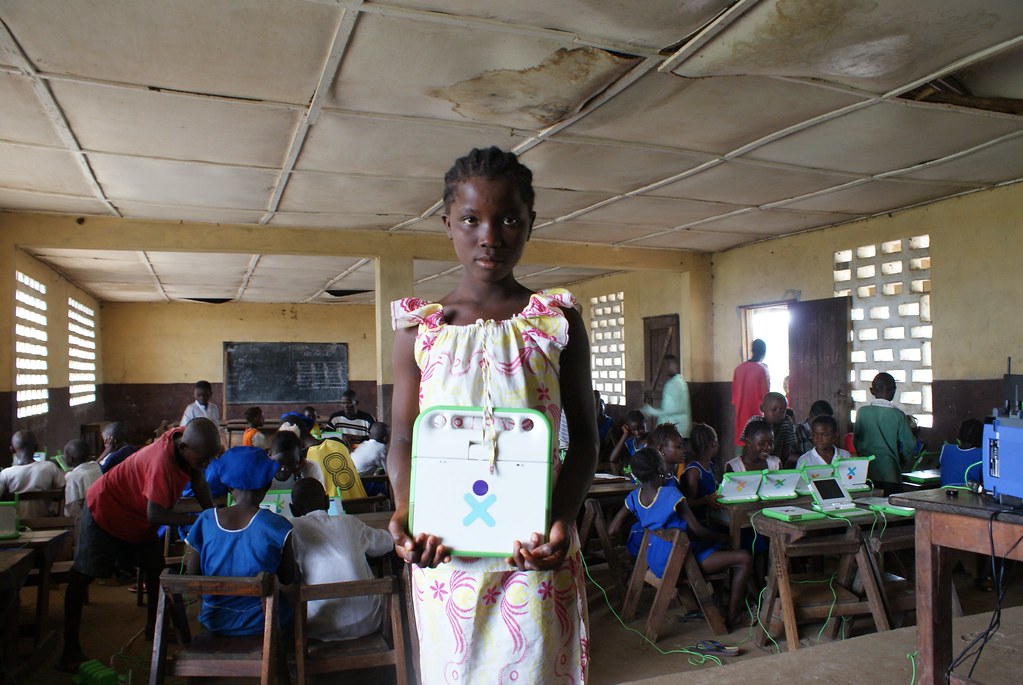
A birth certificate is a piece of paper a child will never hold, and it decides more of that child's life than almost anything they will be handed later. It says this person exists, was born on this date, to these parents, in this place. Everything official that follows is built on top of it.
Lift A Life Foundation is a community based organisation registered in Kiambu County, and advocacy is one of the three activities we are registered for. For a child in our area, much of what advocacy means comes down to this one document: finding out whether it exists, and if not, walking with the family until it does.
What the paper actually unlocks
School is the first door. Registering a child for school, and later for national examinations, runs on proof of identity and age. A child without a certificate may be let into a classroom on goodwill, but goodwill does not sit an exam.
An identity card comes next. When a young person applies for a national identity card, the application looks back to the birth record. No certificate means a longer and harder route to an ID, and without an ID an adult struggles to open an account, register a phone line, take a job formally, or vote.
Inheritance depends on it. When a parent dies, a child's claim to land, a house or savings rests on proving the relationship. The certificate names the parents. Without it, a child's share can be contested by anyone with better paperwork, and orphans are the people least able to fight that.
A hospital record needs a person to attach to. Treatment, immunisation history and referrals all need a name and a date of birth that match across visits. A child whose details change from one clinic to the next has, in effect, no medical history at all.
Why the children we serve are the ones without it
Registration is easiest at the moment of birth and gets harder every year afterwards. A child born in a health facility, with a parent present who understands the process, is usually registered without much trouble. The children who miss out are the ones whose lives were disrupted at the start.
A child born at home may never have had a facility notification. A child whose mother died at or soon after the birth may have nobody who knows the details the office needs. A child passed to a grandmother, an aunt or a neighbour may arrive with a name and nothing else: no date of birth, no father's name, no record of where the birth happened.
Fostered children are a particular case. The guardian is not the parent and may have no documents showing how the child came to them. Every question at the counter becomes one they cannot answer with paper, and it is easy to give up after the second trip.
None of these families are careless. They are managing a death, a move or a new mouth to feed, and a form with no visible deadline goes to the bottom of the pile. The deadline is real; it is just invisible until the school asks.
The general shape of the path
We are not lawyers and we are not the registration office. What follows is the general shape of the process as we understand it. Requirements change, and a family should confirm current requirements at the registration office before setting out.
It usually starts at the health facility. When a child is born in a facility, the facility issues a notification of birth. That notification is the seed of the certificate, not the certificate itself. Many families stop here, believing the job is done.
The certificate comes from the civil registration office. The notification, with the parents' identity documents, goes to the civil registrar, who enters the birth in the register and issues the certificate. Where the birth happened at home, the notification comes by a different route and the family will need to ask the office what is accepted.
Late registration exists for the older child. A child never registered as a baby can still be registered later, but late registration asks for more: more supporting documents, more explanation of why it was not done, sometimes a sworn statement. It is the route most children we meet will have to take, and the one where families most often stall.
What advocacy looks like at the counter
We go with the guardian. A grandmother sent alone with a bundle of papers may be turned back for a missing item and not be sure what was missing. Two people at the counter hear the same instruction, and one of them writes it down.
We keep copies. Every document handed over is copied first, and the family keeps a set. Papers get lost in offices, floods and moves between relatives. A copy turns a disaster back into an inconvenience.
We follow up. Most reasons a certificate never arrives are dull: a form waiting on one signature, a query nobody answered, a collection date that passed. Somebody has to go back and ask. That is usually us, because the guardian has already spent the fare twice.
Why it comes first, not last
It is tempting to treat the missing certificate as an admin task for later, once the child is fed, housed and in school. We treat it as the first task, because every other piece of support is weaker without it. School places can be lost. A hospital cannot build a record. Land passes to someone else.
The document also gets harder to obtain with every year that passes. The people who remember the birth grow old or move away. The cheapest moment to fix it is now.
If you are caring for a child who has no birth certificate and you are not sure where to begin, tell us. If you would like to help families make these journeys, get involved.
Lift A Life Foundation is a registered Community Based Organisation in Kiambu County. Certificate RSC/3811/CBO/2024. Ask us anything about what we do and how it is paid for.