
Care
Children Who Care for Their Parents
In some houses the person running things is eleven. These households are hard to see, the child pays for it in school and childhood, and the answer is to support the parent, not remove the child.
By the Lift A Life Foundation team · · 6 min read
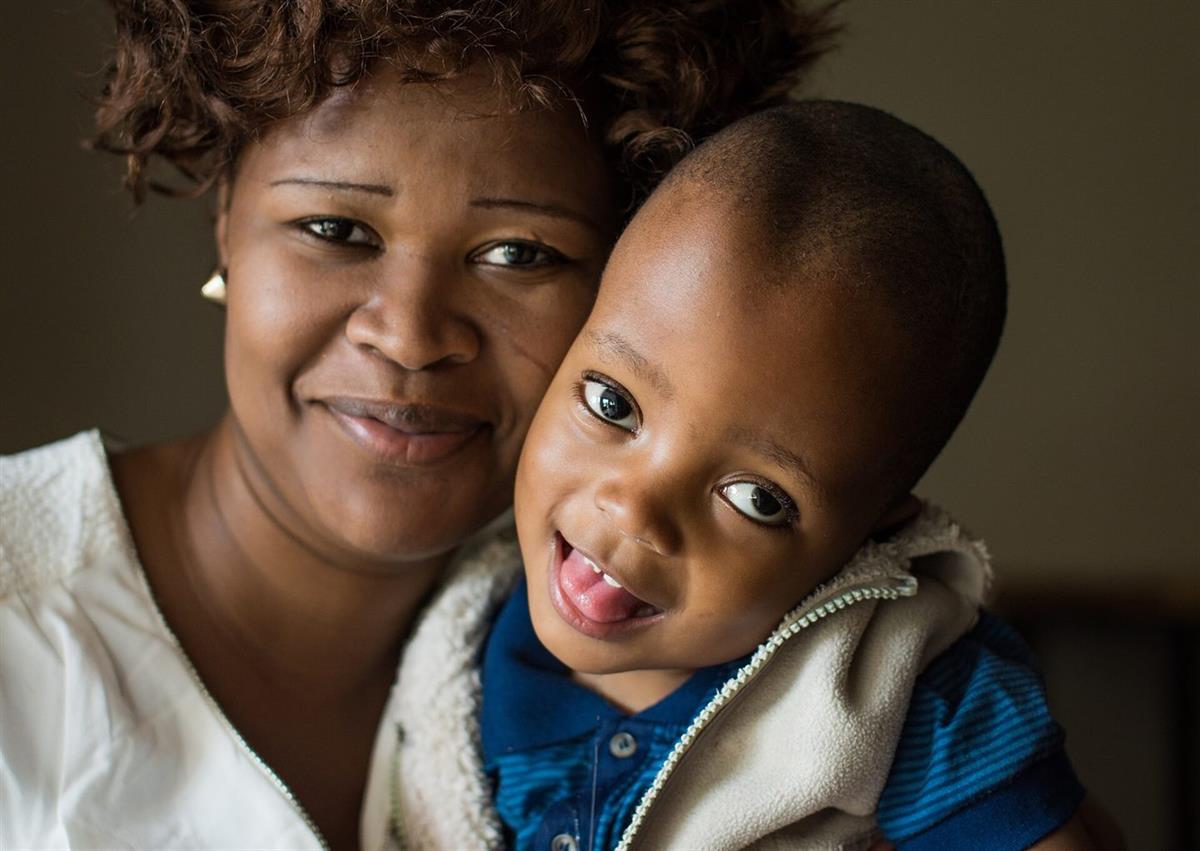
In some houses the person running things is eleven. She lights the fire before school, fetches the water, gives her mother the tablets the clinic sent and checks they were swallowed. On bad days she does not go to school at all, because there is nobody else to stay. Nobody appointed her. She is simply the one who is there.
Lift A Life Foundation is a community based organisation registered in Kiambu County. We are registered to care for orphans and vulnerable children, the elderly and persons with disabilities, and this household holds two of those groups under one roof: a parent who cannot manage alone and a child managing for them. This is about why such houses are hard to see, what the child gives up, and why the answer is help for the adult rather than removal of the child.
Why these households are hard to see
The house looks fine. That is the whole problem. The floor is swept, the parent is fed, the washing is on the line. A visitor at the gate sees a home that works and does not ask who is making it work. The child's competence hides the child's situation.
Nobody in the house wants it seen. The parent is ashamed of needing a child, and afraid of what happens if someone official decides the arrangement is unacceptable. The child has absorbed that fear and will say everything is fine.
The child rarely looks like a case. She is not on the street, she is not orphaned, she has a parent who loves her. She is absent from every list of children in obvious trouble, and so from every plan made from those lists.
Illness in an adult is treated as an adult's matter. When a clinic sees the mother, it sees the mother. Who got her there and who reads the label sits outside the consultation. The child carrying all of that is standing in the corridor.
What the child loses
School goes first, a day at a time. Not all at once, which would be noticed, but one bad morning here and a clinic day there. Every missed day makes the next easier to miss, because the classroom becomes a place of being behind. Eventually school becomes an interruption to the real work at home.
Then friends. Children make friends by being available in the loose hours where nothing much is happening. A child who has to be home has no loose hours.
Then childhood itself, quietly. The child learns to watch a parent for signs of a bad day, to decide whether a pain is normal or serious, to manage money that is never enough. These are adult judgements made without adult knowledge. Such children become very capable and very tired, and the tiredness is hidden because the capability is what people see.
And a future that closes without anyone deciding it should. Nobody says the child will not finish school. It simply becomes less likely each term.
Support the adult, keep the family
The instinct, once a house like this is seen, is to rescue the child. We do not run an orphanage, and this household shows why. Children do better in families. Removing the child does not cure the parent; it leaves the parent alone and unwell, and gives the child a new grief to carry alongside the guilt of having left.
The cure is to shrink the load, not to move the child. If the parent gets to the clinic, the child is not missing school to take her. If water is nearer, the morning is shorter. If a neighbour sits with the parent two afternoons a week, those afternoons belong to the child. If the household is linked to support it is entitled to and has not received, some of what the child does stops being necessary.
Most of this is not new provision. It is somebody noticing, then following each thing through until it is done. That is what we mean by advocacy, and it works only if somebody already knows the house.
What a neighbour, teacher or church can notice
A teacher sees the pattern first: absences that cluster around certain days, homework done in a hurry or not at all, a child who is quick and capable and always slightly behind. The register is a better instrument than any survey.
A neighbour sees the gate. The one fetching water is small. The parent has not been seen outside for weeks. The child is at the shop with an adult's list, deciding what to leave off.
A church sees who stopped coming. A parent who was regular and is now absent, and a child who comes alone, or does not come because Sunday morning is when the parent needs help.
None of this is proof, and none of it requires a diagnosis. We are not clinicians and do not offer one. The useful act is smaller: asking after the parent plainly, and mentioning it to somebody who can go and look.
Where our work meets in one house
The three things we are registered to do sound separate: care for vulnerable children and persons with disabilities, advocacy, and networking and community building. In this household they are one job. The child is a vulnerable child; the parent may be living with a disability or a long illness; getting the parent the help that exists is advocacy; and the neighbour, the teacher and the church are the network that makes it possible.
We are small and have no numbers to publish yet. This is exactly the kind of house our work is meant for, and finding it depends on the people already standing at its gate.
If you teach, preach, or live next door to a child who seems to be running a household, tell us. If you would rather give time than money, an afternoon a week with an unwell parent is time given back to a child. Get involved.
Lift A Life Foundation is a registered Community Based Organisation in Kiambu County. Certificate RSC/3811/CBO/2024. Ask us anything about what we do and how it is paid for.