
Disability
Disability and School: What Inclusion Needs
Being enrolled is not being included. Most of what keeps a child with a disability out of the classroom is small, physical and cheap to fix, once somebody walks to the school with the family and asks.
By the Lift A Life Foundation team · · 6 min read
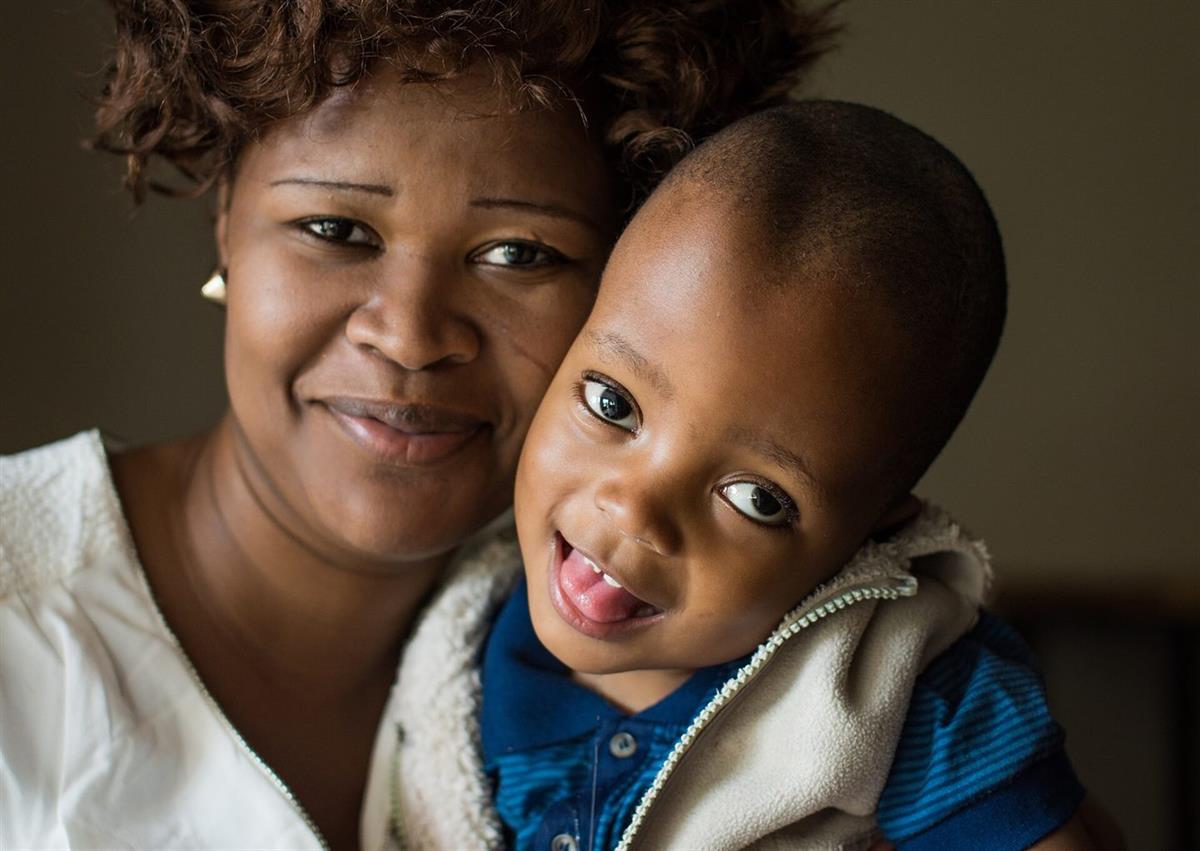
A child with a disability who is not in school is rarely out of school because of the disability. The child is at home because the school is a kilometre away and nobody can carry her that far twice a day. Or the latrine has a step. Or the desk does not fit the wheelchair. Or, most often, because nobody has ever asked the family whether she could come.
Lift A Life Foundation is a community based organisation registered in Kiambu County, and persons with disabilities are among the groups we are registered to serve. We are not clinicians and not teachers. What we can do is stand between a family and a school and make sure the conversation happens, which is where most of the problem sits.
Enrolled is not the same as included
A name in the register proves very little. A child can be enrolled and spend the whole day at the back of the room, unable to see the board, not asked a question, not given work that matches what he can do. He is present. He is not learning. The school can truthfully say he attends, and the family can truthfully say nothing changed.
Inclusion is the ordinary experience of the day. The child gets in, gets to a seat, can use the toilet, eats with the others, takes part in the lesson in some form, and goes home having been treated as a pupil rather than a visitor. None of that is exotic. Every other child already has it.
The gap between the two is usually small and physical. A step, a distance, a bench, a bell that rings before the child has packed up. Easy to miss from the head teacher's office, impossible to miss from the child's chair.
What a head teacher can change this term
Seating costs nothing. A child who cannot hear well sits at the front. A child who cannot see well sits near the window. A child in a wheelchair gets the end of a row, near the door, at a desk high enough to roll under. Most of this is a word with the class teacher and ten minutes moving furniture.
A ramp is a slope of packed earth or a few bags of cement. It does not need a contractor. The latrine step matters most, because a child who cannot use the toilet will stop coming rather than say why.
A buddy is another pupil. One classmate asked to walk with the child at break, carry a bag, or repeat an instruction. Children generally do this willingly if an adult asks plainly. It also answers the parent's biggest fear, which we come to below.
Time is the cheapest adjustment and the least used. Extra minutes to finish written work, to get between rooms, to eat. A child who writes slowly is not a child who thinks slowly, and a teacher who gives time finds that out quickly.
What needs somebody qualified
Not everything is a head teacher's job, and pretending otherwise harms children. Whether a child needs a hearing aid, glasses, a particular way of being taught to read, or a different school altogether is a question for people trained to assess it. We are not those people and do not guess.
What we can do is notice that the question has never been asked. Many children have never been seen by anyone qualified, and the family has been left to work it out alone. Finding out where an assessment happens, sorting out the fare and going along on the day is practical work that somebody has to do.
The assessment also changes the conversation with the school. A family arriving with a written finding is in a different position from a family arriving with a hope.
The parent's fear is reasonable
Ask a parent why the child is at home and the first answer is often the road or the latrine. The second, given later and more quietly, is that the child will be laughed at. This is not an excuse. Parents have watched it happen to other children, and sometimes to this one.
A school cannot promise that no child will ever be unkind. It can promise that an adult will be watching, that a named classmate is alongside, and that mockery is a discipline matter rather than a fact of life. A parent who hears that from the head teacher in person, with the child present, is far more likely to try.
Teachers have a fear of their own: that they will do something wrong, or that the child will be hurt on their watch. It is easier to deal with once said out loud, which is another reason the meeting has to happen face to face.
Advocacy means going, not writing
It is possible to write a great deal about inclusion without a single child getting through a school gate. What changes things is somebody walking to the school with the family, sitting in the head teacher's office, and being there when the desk is moved.
That is the shape of the work. Find out which children in the area are at home and why. Visit the family and ask what they want. Go to the school together, ask for the specific small changes, and agree who will do what by when. Then go back and check that the ramp was built and the child is sitting where agreed. Following through is most of what advocacy means.
We are small and do not claim to have done this at scale. We are registered to do it, and we want to reach more families in Ruiru and the surrounding communities. If you know a child who is at home when they could be in school, or you are a teacher who wants to make a classroom work for one, tell us. If you would rather walk to a school with a family than read about it, get involved.
Lift A Life Foundation is a registered Community Based Organisation in Kiambu County. Certificate RSC/3811/CBO/2024. Ask us anything about what we do and how it is paid for.