
Community
Giving in Kind: What Helps and What Does Not
Donated goods are generous, and sometimes expensive to receive.
By the Lift A Life Foundation team · · 6 min read
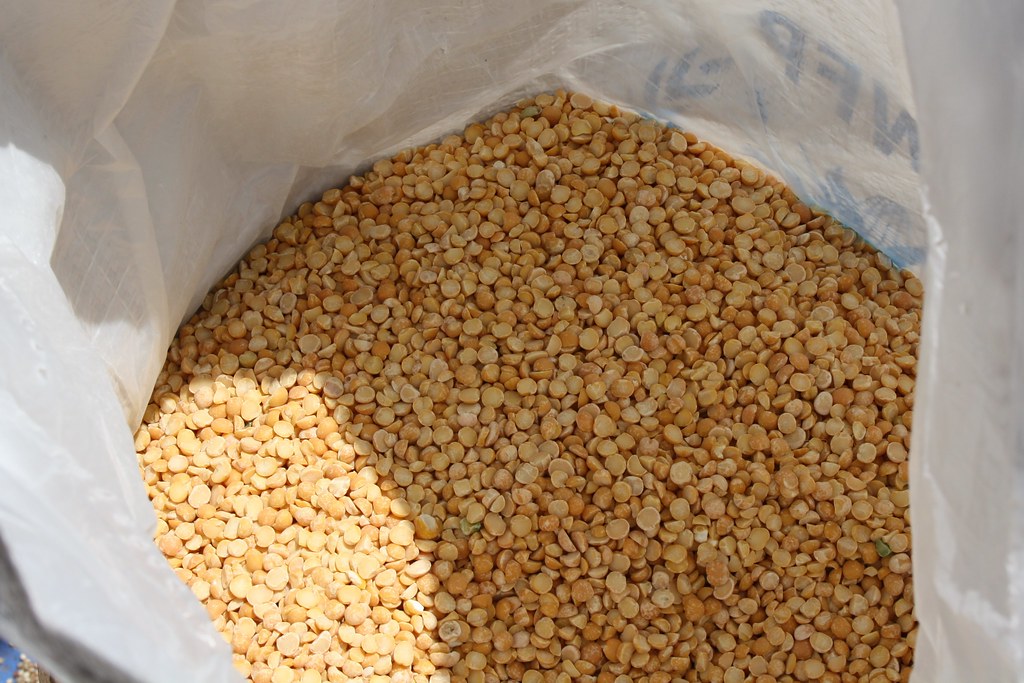
Someone tells us every so often that they have things to give rather than money, and asks whether that is useful. Usually yes, and sometimes enormously. But goods vary in how much good they do, and the difference is not obvious from outside.
So here is the arithmetic from our side, offered in the spirit it is meant. Nobody who has given us goods has done anything wrong. But a giver who knows how a donation is actually received can make the same gesture go much further at the same cost.
Would the household have bought it anyway
The most useful gift is something a family was going to buy this month anyway. Maize flour, cooking oil, soap, detergent, sanitary towels, exercise books. Give one of those and you free up the shillings it would have cost, which then go to rent, or transport to a clinic, or school.
Size and kind matter more than people expect. A staple in a family sized packet is worth more than the same weight in small sachets, which cost more per unit and leave packaging behind. Ordinary brands people already use beat unusual ones.
Condition is the second test. Would you hand it to a neighbour without explaining it? If yes, it will pass on cleanly. Clothes that are clean, whole and folded go straight out. The same item needing work is a different item, and somebody has to do the work.
What quietly creates work
Clothing is the honest example. Clothes are the most commonly offered donation anywhere, and they carry the most handling: sorting, washing, storing what is out of season, finding the right household for each piece. We are glad of them. It is only worth knowing that a sack of mixed clothing is several hours of somebody's time before it helps anyone.
Food close to its date needs a plan rather than a refusal. Short dated stock that is still perfectly good is genuinely welcome, and a business that gives it is doing something sensible. What makes it work is warning, so we can match it to a delivery already going out.
Equipment needs somebody who can repair it. Mobility aids, furniture and computers are among the most valuable things anyone gives us. The ones that keep working arrive with their parts and cables, or with the name of somebody who services that model. Without that, a broken one is something we can neither use nor responsibly discard.
The costs that travel with a gift
Every donation arrives with a bill attached, and it is rarely the giver's. Somebody has to collect it. Somewhere dry and secure has to hold it. Somebody has to sort it and carry it the last stretch. That is not an argument against giving goods. It is why we talk about transport and storage as much as we do.
Storage is the tightest of them. We are small and we work in one place, Ruiru. What we can take in a week is limited less by willingness than by where it can sit safely until it moves.
Then there is the awkward one, which is refusing. Turning down something offered warmly is hard, and small organisations are not good at it. So goods sometimes get accepted that cost more to handle than they deliver. We would rather say plainly what helps most, which only works if it is heard as information rather than complaint.
Why we ask first, and why you might too
A message before the delivery changes almost everything about how a donation lands. It lets us tell you whether we have storage that week, whether a centre is already covered on that item, and which size gets used fastest. It lets us have hands free and transport arranged when it arrives.
Asking is not ingratitude and it is not fussiness. It is the same principle as asking a family what they need instead of guessing. A gift matched to a real gap does not have to be bigger to do more.
If you have something in mind, our contact page has the details and WhatsApp is quicker. Tell us what it is, roughly how much, and when it could move. We will say honestly if something else would help more, before you go to any trouble.
Cash, goods, and wanting to picture it
Where a giver is comfortable with money, money usually does more per shilling. It buys the exact item in the exact quantity, close to where it is going, with no transport from your side and no storage on ours. It also covers what nobody offers in kind: fuel, and phone credit for following a case up. Our M-Pesa paybill is 400200, account 1151353, and the rest is on the donate page.
That said, plenty of people would rather give a thing than a number, and that instinct is not mistaken. Handing over something you chose is a different act from a transfer. It is easier to picture, and for some givers it is the difference between giving and meaning to.
If that is you, give the thing. Just tell us before it comes, and send what a household would have bought anyway, in the ordinary sizes and a condition you would be happy to receive. Done that way, goods are not second best. They are a different route to the same place.
Lift A Life Foundation is a registered Community Based Organisation in Kiambu County. Certificate RSC/3811/CBO/2024. Ask us anything about what we do and how it is paid for.