
Care
Grief in a Household With Children
The funeral fills the house for a week. The year that follows is decided by routine, plain truth, the relative who stays, and who holds the documents and the money.
By the Lift A Life Foundation team · · 6 min read
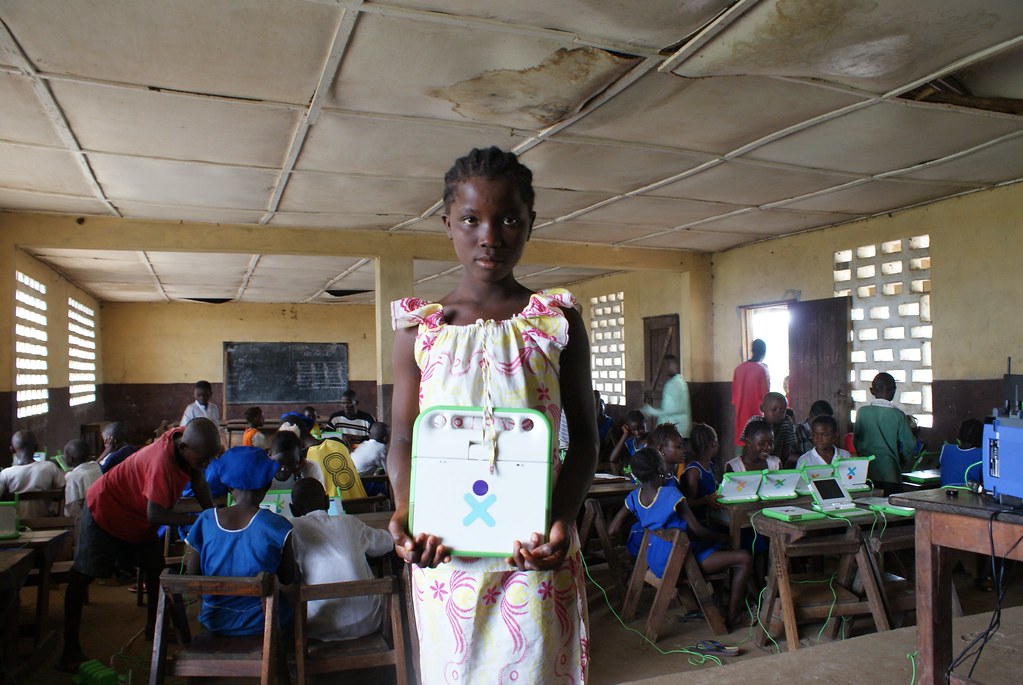
A funeral fills a house. For a week or two there are people in every room and somebody always at the gate. Then it ends. The relatives go home, the neighbours stop bringing plates, and the children are left in a house that has gone quiet in a way it never was before. That is where the real work begins.
Lift A Life Foundation is a community based organisation registered in Kiambu County, and orphans and vulnerable children are among the people we are registered to serve. We do not run an orphanage. Children do better in families. This is about keeping a family standing in the year after a death, when sympathy has moved on and the practical questions remain.
Routine is what holds a child
A child cannot be talked out of grief, but they can be held by a timetable. Waking at the same hour, the same walk to school, supper at the usual time, the same person saying goodnight. None of it fixes anything. What it does is tell the child that the world still works, that some things did not die with the parent. That message is carried by repetition, not words.
The temptation is to let everything go for a while. Keep them home from school out of kindness, let meals happen when they happen. It feels gentle. It usually is not. A child whose days have lost their shape has nothing to lean on.
Routine is also cheap. It needs one adult who decides that the ordinary things will keep happening, and makes them happen every day, including the days that adult can barely stand.
Tell them the truth in words they can carry
Children are told that a parent has travelled, or is sleeping, in a tone that suggests they might come back. Adults say this to spare themselves the child's face. The child then waits, and the waiting is worse than the truth.
The truth can be small. Your mother has died. She is not coming back. It was not because of anything you did. You will be looked after. That is enough for one day, and it can be said again when the child asks, because they will ask again.
We are not clinicians and this is not counselling. It is only the observation that children know when they are being managed, and that a child told the truth can trust that adult about everything else.
The relative who moves in
Somebody usually comes. An aunt, a grandmother, an older cousin. They arrive for the funeral and find there is nobody else, so they stay. This is what keeps most children in a family rather than an institution, and it deserves far more respect than it gets.
It is a hard thing to do. The relative has left their own home, their own income, sometimes their own children. They are grieving too, and now responsible for children who did not choose them, in a house where every object belongs to somebody who is gone. Nobody thanks them, because family is assumed to be what family does.
Whether it lasts depends on whether that person is supported. Not praised, supported. Somebody who notices when they are exhausted, takes the children for an afternoon, helps with the paperwork. A relative left alone will eventually break or leave, and the children lose a second home.
The practical matters decide the year
Sympathy fades in weeks. The next twelve months are decided by a short list of practical questions, best answered while people are still attentive.
School. Who is paying fees now, and has the school been told? A child who drops out in the term after a death often does not come back. Keeping them enrolled through the first year matters more than almost anything else.
Documents. Birth certificates, the death certificate, anything that proves who the children are and who is responsible for them. These go missing in the confusion of a funeral and are needed for everything that follows. Gather them in one place early.
The house. Who owns it, who is allowed to stay, and whether anybody is quietly planning otherwise. Where these children will sleep next year should be settled in the open, with witnesses.
The money. Whatever the parent left, whatever relatives and well-wishers give. One named person should hold it, and more than one should know how much there is and what it is for. Money held by whoever was nearest has a way of becoming smaller. That is not an accusation. It is how money behaves unwatched.
What a visitor from outside can do
Do keep coming after everybody else has stopped. The visit in the third month means more than the one in the first week, because by then it is rare. Come at a predictable time. Sit, and let the children see that an adult who owes them nothing still turns up.
Do ask the practical questions gently and follow them through. Has the school been told? Where are the documents? Who is holding the money? Family may be too close to ask, a stranger too rude. A trusted outsider is the right distance.
Do not take over. The relative running the house is in charge, and undermining them in front of the children costs more than any help is worth. Do not promise what you cannot keep up; a promise broken to a bereaved child is a second loss. Do not tell anybody it is time to move on. Nobody sets that clock for another.
We are small, and we have no numbers to publish yet. What we can say is that households like these in Ruiru and the surrounding communities are held together by a few tired adults doing the ordinary things every day, and they need people alongside them. If you can be one of those people, get involved. If you know a household that has just gone quiet and you are not sure what to do, tell us.
Lift A Life Foundation is a registered Community Based Organisation in Kiambu County. Certificate RSC/3811/CBO/2024. Ask us anything about what we do and how it is paid for.