
Accountability
How to Read a CBO's Quarterly Return
A quarterly return is one of the few documents a small organisation produces that an outsider is entitled to see. Here is what it records, what it leaves out, and how to check it.
By the Lift A Life Foundation team · · 6 min read
Every registered community based organisation in Kiambu is expected to file a return with the county each quarter. Most people who give to a CBO have never seen one and would not know what to make of it if they did. That is a pity, because it is one of the few documents a small organisation produces that an outsider is entitled to ask for.
Lift A Life Foundation is registered with the County Government of Kiambu, Department of Education, Gender, Culture and Social Services, under certificate RSC/3811/CBO/2024, issued on 22 February 2024 for Ruiru Sub County, Gitothua Ward. The registration is renewed every year, and quarterly returns are part of keeping it. Here is what a return can and cannot tell you, and what to ask when an organisation will not show you theirs.
The county registers CBOs so that it knows which groups operate in its wards, what they do, and whether they are still active. The return is how it checks that the organisation it registered is the one still doing the work. It is a statistical report, not an essay, and its purpose is comparison: this quarter against last, and this organisation against its registered purpose. Ours is three activities: caring for orphans and vulnerable children, the elderly and persons with disabilities; advocacy; and networking and community building.
What it records
Activities carried out. In general terms, a return lists what the organisation actually did in the period: the visits made, the meetings held, the cases followed up. It is a count of things that happened, set against the activities the organisation is registered for.
People reached, by category. A return asks who benefited, broken down into the groups the county cares about, such as children, older people and persons with disabilities. The categories are the county's, not ours, and the numbers are a tally rather than a story.
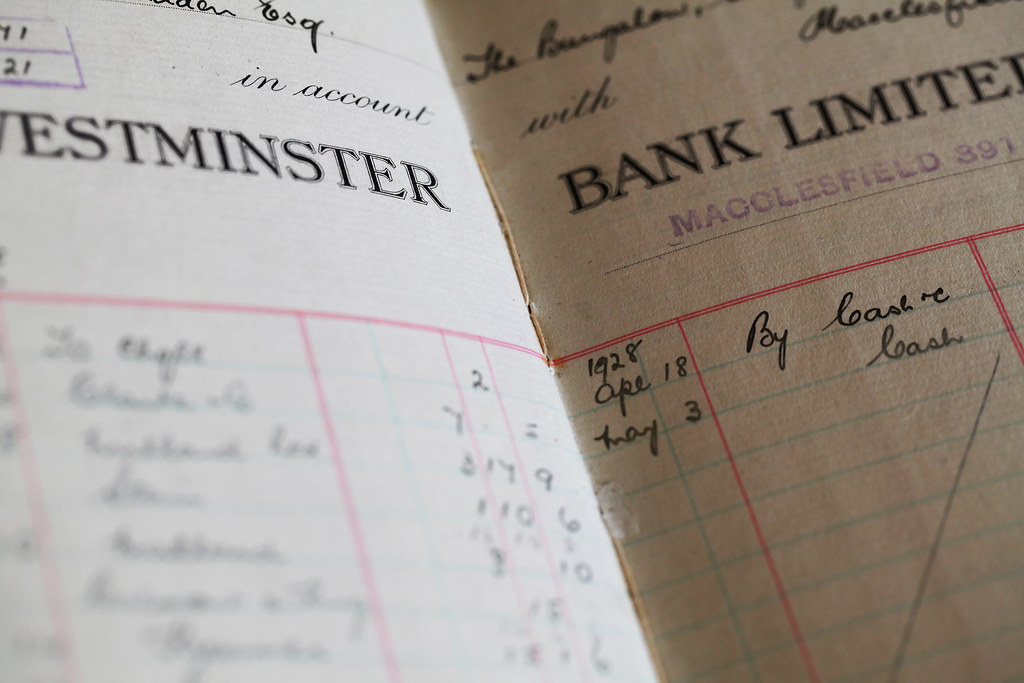
Money in and money out. A return records what came in over the quarter and what went out. It is not a full set of accounts. It is a summary that should agree with the bank statement and the cashbook if anybody puts them side by side.
Who is responsible. The return is signed by officials. Ours are Eunice Wangari Muthoni as Chairperson, Judith Muthoni Wangari as Secretary and Peter Minja Macharia as Treasurer, and any two of the three sign. A return with one signature is worth a second look.
What it does not show
The return tells you that something happened. It does not tell you whether it was any good. A count of visits to older people is a number. Whether the right people were visited and whether anything changed for them are outside the form.
It does not show what was planned and not done, or why. It does not show quality, judgement or care, and no statistical form could.
We publish no impact numbers yet, and this is part of the reason. A return can be filled in honestly and still say very little about whether a household is better off. We would rather say so than dress the county's tally up as evidence of results.
Compare it with the diary and the bank statement
A registered CBO is required to keep a diary of activities. That diary is the primary record: dated entries of what was done, where and for whom, written at the time or soon after. The return is a summary of the diary. If the two do not agree, the diary is the one to trust, and the disagreement is the thing to ask about.
Read the diary first, then the return. Pick a quarter. Count the diary entries under each registered activity and see whether the return's figures are close. They will not be identical, but they should be recognisably the same quarter.
Then read the bank statement. Money in on the return should be visible as deposits. Money out should match withdrawals and payments, allowing for small cash spending in the cashbook. Look for the obvious gaps: income on the return with no deposit behind it, or spending in the bank that the return never mentions.
Finally, look at the dates. Returns are quarterly and registration is annual. A current certificate with a run of filed returns behind it says the organisation has been alive and answerable all year. A certificate with no returns behind it says it was registered and then went quiet.
What to ask an organisation that will not show you one
Some will decline, and the reasons matter. The fairest reason is that the return contains details of beneficiaries that should not be handed around. A copy with those lines covered is a reasonable compromise. Ask for that.
If the answer is that no return exists, ask whether the organisation is registered at all, and with whom. If it is registered but has not filed, ask when it last did and why it stopped. If the answer is that the return is nobody's business but the county's, ask how the organisation expects donors to know their money arrived. These are not hostile questions. Any organisation with its records in order can answer all three in a minute.
Why we would rather be asked
Small organisations live on trust, and trust that is never tested is only a feeling. A donor who reads our return, checks it against the diary and finds a mistake has done us a service, because the county will find it otherwise, and because a record nobody reads is a record nobody bothers to keep well.
We are a small CBO in Gitothua Ward with three registered activities and no impact figures yet. What we do have is a certificate, an annual renewal, a diary and our returns, and we would rather show them than describe them. If you want to see how we are put together, start with who we are, and if you have questions the paperwork does not answer, ask us.
Lift A Life Foundation is a registered Community Based Organisation in Kiambu County. Certificate RSC/3811/CBO/2024. Ask us anything about what we do and how it is paid for.