
Care
Keeping a Child in School After a Parent Dies
A child rarely leaves school after a parent dies. They stop going, and nobody decides it.
By the Lift A Life Foundation team · · 6 min read
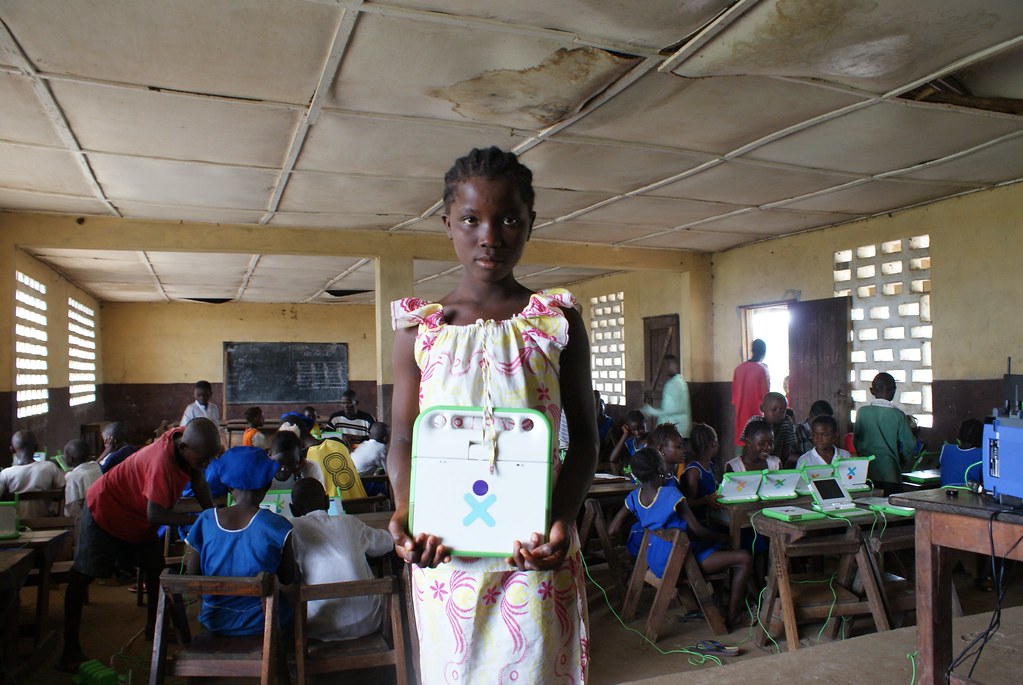
A child does not usually leave school after a parent dies. They stop going. The first days are the funeral and the relatives in the house, and nobody expects a child in class. Then the relatives leave, the term carries on, and the Monday that was going to be the return becomes a week, then a month. Nothing was decided.
Lift A Life Foundation is a community based organisation registered in Kiambu County, and orphans and vulnerable children are among the groups we are registered to serve. We do not run an orphanage, and we do not think one is the answer. Children do better in families. This is about the family that is left and the school that is waiting, and what it takes to join them back up.
Who notices, and what the school can do about it
The school notices last. A class teacher with a full register sees an empty desk and assumes the family is still in mourning. That is fair for a fortnight. It is still the assumption two months later, because nobody came to say otherwise. Schools deal with the parents who come to them, and a dead parent does not come.
Neighbours notice first. The child who used to pass the gate in uniform at seven is now at home at ten. Somebody sees that. Whether they say it to anyone is the whole difference.
A head teacher can do more than most families assume, and less than they hope. A school can keep a place open. It can be patient about fees for a term where a family is honest about what has happened. It can tell a guardian plainly which charges are fixed and which are not.
What a school cannot do is go and fetch the child. Teachers rarely have the hours to visit a home, and a school cannot act on what it has not been told. So the school waits for the family, the family avoids the school, and the child stays home.
The guardian who did not choose this
Responsibility arrives without a handover. The adult now looking after the child may simply be the one whose house the child ended up in. They have the child's needs and none of the child's paperwork: no birth certificate to hand, no relationship with the school, no picture of what was paid and what was owed.
The new household was already full. A grandmother on a small income or an aunt with children of her own now has one more to feed before she has one more to educate. Where money is short, school is the cost that can be postponed without anybody going hungry tonight, so it is postponed.
Nobody should blame the guardian for this. Most guardians want the child in school and are ashamed of the reasons it has not happened. Shame keeps people away from the head teacher's office as surely as money does.
The barrier is usually small and specific
When a child is out of school after a death, the reason is rarely the headline fee. It is the uniform left behind in the house that was given up. It is the exercise books, the fare to a school that is now further away, the lunch money, a levy the guardian did not know was due. Each is a small amount. Together, against an empty purse, they are a wall.
The small costs are also the easiest to settle once somebody lists them. A guardian facing a vague and enormous problem does nothing. A guardian holding a list of five items and a total can start on the first one, and can be helped with the rest.
We do not publish impact numbers yet, and we are small. What we can say is that the sum that keeps a child in class is often far less than the people worrying about it imagine, once it is written down.
Why the same school matters
The instinct after a death is often to move the child: to the guardian's home area, to a cheaper school, to whichever place will take them. Where a move can be avoided, keeping the child in the school they already attend is worth an effort out of proportion to the inconvenience.
A child who has lost a parent has lost the centre of their day. The school is the part of the old day that still exists. The same teacher, the same desk, the same friends who knew the parent, the same walk in the morning. Taking that away too means the child loses everything familiar in the same month.
Continuity also protects the paperwork. Records and fee history stay where they are, instead of being rebuilt by a guardian who does not hold the documents.
What a visit and one conversation can settle
A home visit is not an inspection. It is a chance to sit with the guardian and find out what has actually happened: which child, which school, which class, what is owed, what the household can carry and what it cannot. Most of that is unknown until somebody asks.
The second conversation is with the head teacher, ideally with the guardian present. It establishes that the child has a place, what is due and what can wait, and who the school should call if the child stops coming again. A school that knows the guardian's name and number, and knows somebody else is watching, notices the next absence in days rather than months.
Between them, those two conversations settle most of what keeps a child at home. What they do not settle is money, and there we are a small organisation with more names than resources. If you can help with the small costs that put a child back in a classroom, give what you can. If you know a child who has quietly stopped going since a parent died, tell us, because somebody has to say it out loud first.
Lift A Life Foundation is a registered Community Based Organisation in Kiambu County. Certificate RSC/3811/CBO/2024. Ask us anything about what we do and how it is paid for.