
Older people
Loneliness Is a Health Problem
It gets treated as sad rather than as dangerous.
By the Lift A Life Foundation team · · 6 min read
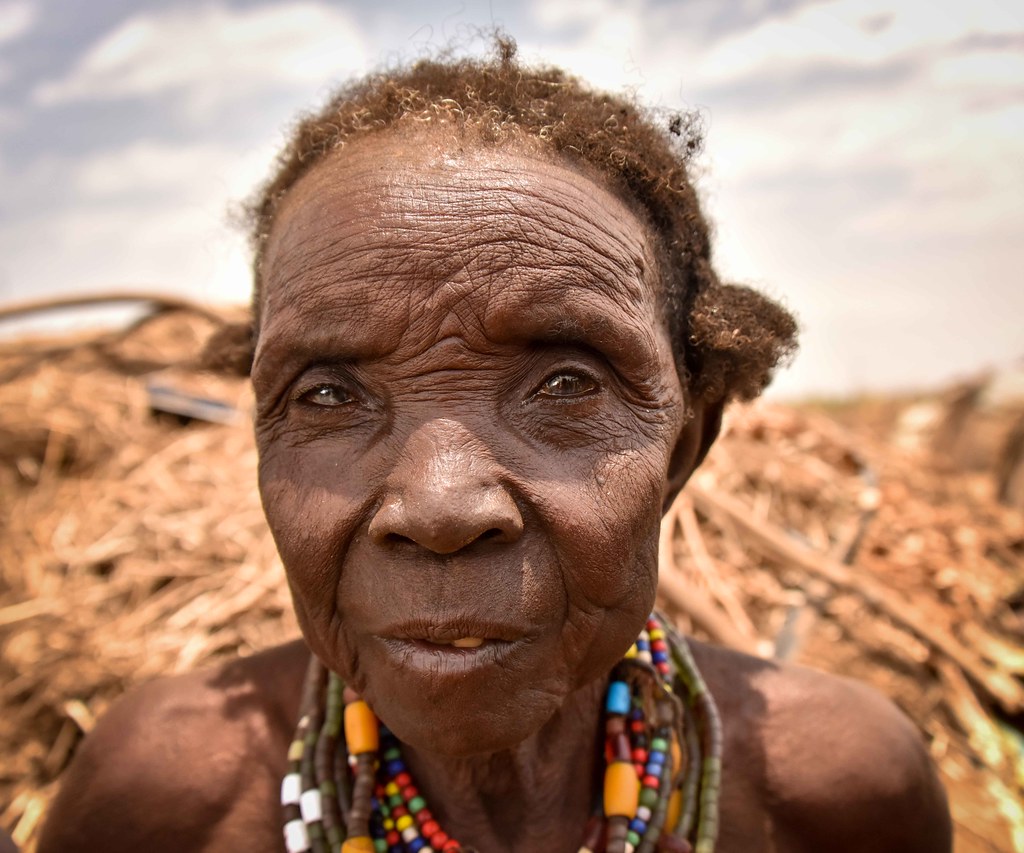
Loneliness is usually treated as sadness rather than danger. It belongs closer to the list of things that put a person in hospital. The link between isolation and poor health is well established, and the mechanism is plain: nobody is there when something goes wrong.
Lift A Life Foundation is a community based organisation registered in Kiambu County, and the elderly are among the groups we are registered to serve. This is not about how sad old age is. It is about what happens in a house where nobody has come for six days.
The risks are specific, not vague
A fall is the clearest case. Most falls are survivable. What turns one serious is the time spent on the floor afterwards. Somebody found two days later has lost two days of water, warmth and treatment. The accident was the fall. The damage was nobody knowing.
Medicines are the quiet version of the same problem. Tablets get taken twice, or skipped, or stopped because they made the person feel strange, with nobody to ask. We are not clinicians and give no advice on medication. A visitor can notice the change and get a clinician to see the person.
Meals get skipped for reasons that have nothing to do with food being unavailable. Cooking properly for one is not worth the fire, so it becomes tea and whatever is nearest. By the time it shows, it has run for months.
Decline is invisible from the inside. Nobody notices themselves getting thinner or slower. That comparison needs somebody who saw the person a month ago. Without it, change is noticed only once it is an emergency, the hardest point to come back from.
How somebody ends up alone
The children moved to town, where the work is, and money sent home is real help. It is not somebody in the room, and a parent on the phone will say everything is fine rather than be a burden.
The people of their own generation die. A spouse first, then friends, one at a time, each funeral removing somebody who would have noticed an absence. Nobody makes new lifelong friends at eighty.
The distance a person can cover shrinks. A knee, eyesight, a hill that used to be nothing. Church, the market and the neighbour two gates down go out of reach, and each was a place where somebody would have seen them.
Then the fare money goes. Travel becomes a cost weighed against food and medicine, and it loses. That is where isolation stops being a phase and becomes the shape of the week.
What regular contact changes
Somebody holds a baseline. A visitor who comes often enough knows what this person is normally like: how they move, what they say, how the house looks. That memory is the whole instrument, which is why frequency matters more than length.
Being expected changes the day. People who know somebody is coming on Thursday tend to cook, to wash, to tidy and to save things up to say. That is the structure living alone strips out, put back by an appointment.
Problems get said out loud while they are still small. The tablets finished three weeks ago. The roof leaks over the bed. On its own neither is worth a journey to find help, so neither gets reported.
Intentions turn into events. The clinic appointment planned for months happens once somebody sorts out the fare and goes along. Following a thing through to the end is most of what advocacy means, and it needs somebody already turning up.
Short and predictable beats long and occasional
Twenty minutes every week is worth more than three hours once a quarter, and the reason is arithmetic rather than sentiment. The risk is the gap. A weekly visitor means nothing goes unseen for more than seven days. A quarterly visitor leaves twelve weeks in which anything can happen.
Predictable matters because it can be relied on. A visit that might come is not something to build a week around, and people who have been let down before will not arrange anything around a maybe.
Short visits also survive. Ambitious commitments collapse after a few months, and that is worse than never starting, because by then somebody was counting on it. Something small kept up for years beats something generous that stops.
Checking in is work, and it costs money
Visiting consumes fares, hours and coordination. Somebody keeps the list, knows who was seen and when, and notices that a name has not come up for a month. That is work whether or not it looks like work.
It is also the hardest thing to raise money for. A food parcel photographs well and a bag of maize can be counted. An hour sitting in somebody's house shows nothing, so it becomes the free part of the job, left to whoever has spare time.
We are not claiming a large visiting scheme, because we do not run one. We are small. Regular contact is among the most useful things we do, and we want it to reach more households in Ruiru and the surrounding communities.
If you would rather give an hour a week than money, that hour is the scarcer contribution. Get involved, or if you know an older person who is alone and you are not sure what to do, tell us.
Lift A Life Foundation is a registered Community Based Organisation in Kiambu County. Certificate RSC/3811/CBO/2024. Ask us anything about what we do and how it is paid for.