
Networking
Referral Is Not Abandonment
A hand-off is a sentence: go to the office. A referral is work with three parts: we go along, we follow up, and we record the outcome.
By the Lift A Life Foundation team · · 6 min read
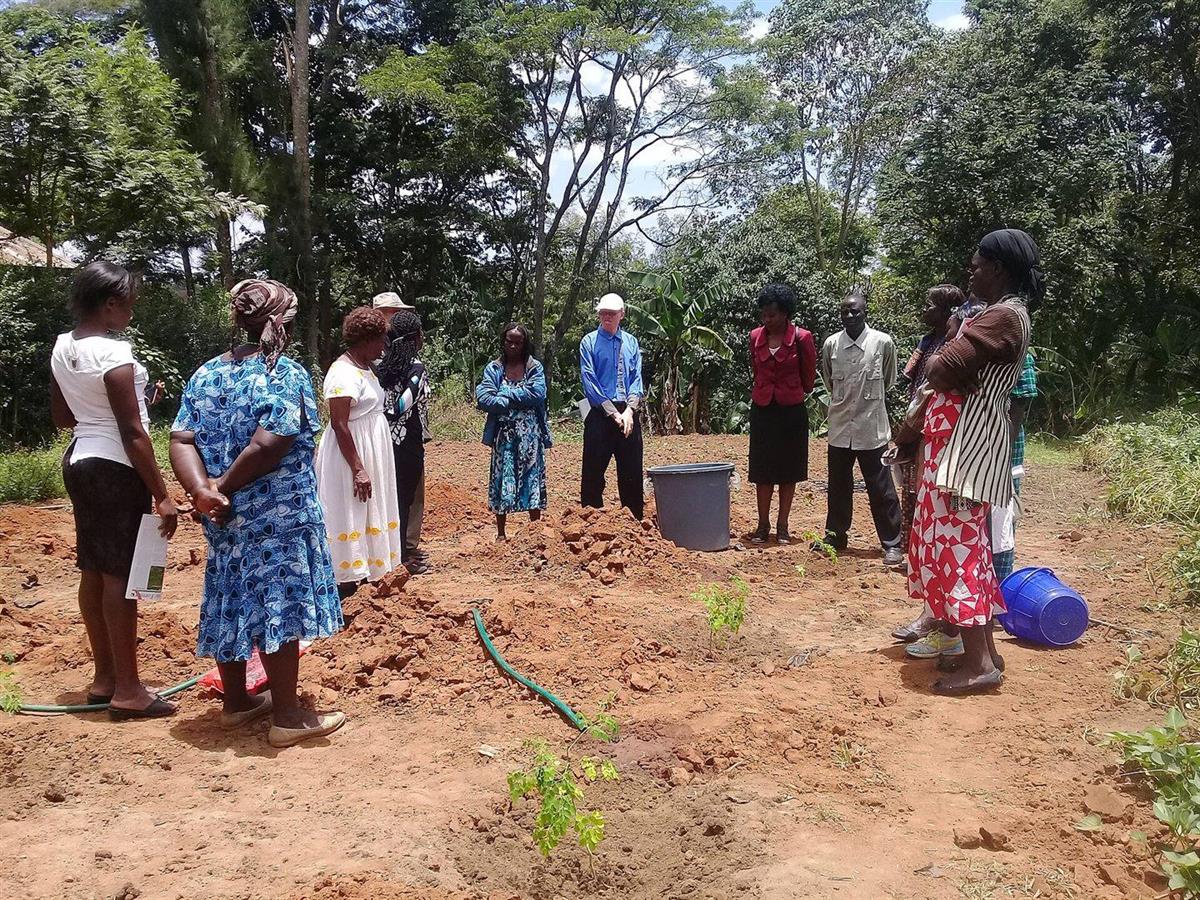
Referral has a bad name among the families it is meant to help. "Go to the office" is what people say when they want you to leave. A family sent from one desk to another learns that being referred means being got rid of, and they stop going.
Lift A Life Foundation is a community based organisation registered with the County Government of Kiambu, working in Ruiru Sub County and Gitothua Ward. Networking and community building is one of the three activities we are registered for, alongside care for orphans and vulnerable children, the elderly and persons with disabilities, and advocacy. Passing a case to somebody else is not a failure of our work. Done properly, it is the work.
A small organisation cannot be the whole answer
Most of what a family needs, we do not hold. A sick child needs the clinic. A child out of school needs a head teacher. A child in danger at home needs the children's officer, because only that office has the authority to act. A dispute over a house needs the chief. A crisis larger than we can carry needs an organisation with more staff and more money than we have. We are not clinicians, and we are not the government.
Pretending otherwise harms the family. A small group that tries to handle everything handles most of it badly, and keeps people away from the office that could have helped. The honest position is to know what we can do, do that well, and know where the rest lives.
What we add is knowing the way. Which office, which day, which door, what papers to bring. That knowledge is cheap for us and expensive for a family finding it out alone.
A referral is not a hand-off
A hand-off is a sentence: go to the office. A referral is work with three parts, and if any part is missing it is not a referral.
We go along. The first visit to a clinic, a school or a government office is the one most likely not to happen. Somebody from our side goes with the family, sits in the queue with them, and speaks when the family cannot. Once they know the way, most families can go alone the second time.
We follow up. A referral is not finished when the family has walked through the door. It is finished when the thing that was needed has happened: the child is enrolled, the treatment has started, the officer has opened a file. We ask a week later, and again, until there is an answer.
We record the outcome. Who was referred, to where, on what date, and what came of it. If nothing came of it, that is written down too, because nothing happening at one office, repeatedly, is something we need to know. Our quarterly returns to the county ask what we did, and a list of referrals with outcomes is a truthful answer.
Why the family told to go alone usually does not go
The fare is real money. A trip to an office and back can cost what a household spends on food that day, and the office might send them home with nothing. Against a certain meal, an uncertain visit loses.
The office is a foreign country. There is a language spoken at desks that many people do not speak, and papers that have to be right. A person told once that their papers are wrong, without being told how to fix them, does not come back.
They have been sent before. Many families have already been passed along and got nothing. To them a new referral is the same brush-off, and they are right to be suspicious until somebody proves otherwise by turning up.
The problem stops feeling urgent from inside. A child out of school for a term is a worry. Out for a year, it is a habit. The problem has become the shape of things, and it takes somebody from outside to say this needs to move now.
Agreeing who does what in one ward
A ward is small enough that the groups working in it can know each other by name. When they do not, one family is visited by three groups asking the same questions, and the family nobody knows about is visited by none.
Agreement starts with a list. Who is working here, what each one does, and what each one will not do. Most duplication comes from not knowing.
Then a decision on who takes what. Household visits from one, school fees from another, disability assessments from whoever has the link to the hospital. A family with a problem should reach the right group in one step rather than four.
Then a way of telling each other. A phone call when a case crosses from one group to another, and a name at the other end who will answer it. Nothing more elaborate, because elaborate arrangements fall apart the moment the person who set them up is busy.
What we ask of the place we refer to
Referral runs both ways, and we are plain about what we expect. We ask that the family be seen rather than turned away at the gate. We ask to be told what happened, so we can close our record honestly. We ask that if the family is sent on again, the person sending them says where and why. And we ask to be told when we have referred badly, so we stop doing it.
We are small and we have not published numbers yet. What we can say is that a case leaves our hands only when the outcome is written down. That is the whole difference between a referral and being got rid of.
If you work with families in Ruiru and want to agree who does what, talk to us. If you want to see how referral fits with the rest of what we do, read about the foundation.
Lift A Life Foundation is a registered Community Based Organisation in Kiambu County. Certificate RSC/3811/CBO/2024. Ask us anything about what we do and how it is paid for.