
Disability
Respite: What Carers Need and Rarely Get
The carer is the part of the arrangement with no backup.
By the Lift A Life Foundation team · · 6 min read
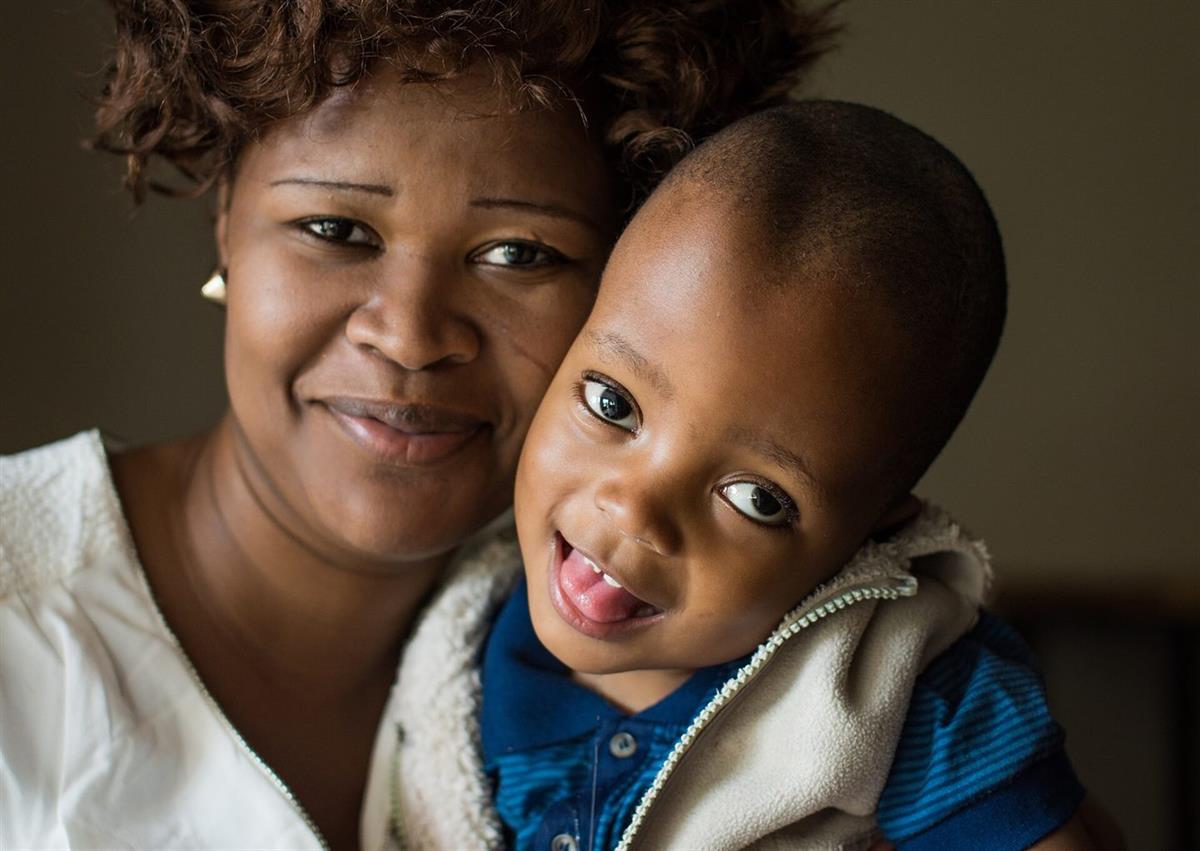
In most households caring for a person with a disability, child or adult, one person does almost all of it. They are the arrangement, and they are the part of it with no backup.
This article is about them. It is written for carers, for families deciding how to share the load, and for anyone able to organise or fund support. It is general information, not clinical or legal advice.
The arrangement with no backup
Every paid role in care has a shift that ends. The family carer's does not. The work runs through the night, through illness, and through the carer's own bad weeks.
Years can pass without a day off. Not a holiday. A day. Where one person is the only person who can do the work, there is no mechanism by which a day off happens.
The care does not pause for the rest of a life either. A funeral. A parents' meeting at another child's school. A clinic appointment the carer made for themselves and has cancelled three times. Each needs somebody to take over for a few hours, and what exists is goodwill: a neighbour who is free, a sister who visits when she can. Nobody can plan a life around what may or may not appear.
The income narrows as the costs widen
Somebody stops earning. Care that cannot be left means one adult leaves paid work, usually the mother. The household loses an income at precisely the point its outgoings rise.
The work available is the work that cannot be taken. Casual daily work is what most people can get, and it is exactly what cannot be arranged around a care routine. A job that starts at seven and might not exist next week is impossible to hold when you are the only cover at home.
Meanwhile the costs widen in ordinary ways. Transport to clinics. Soap, detergent and hygiene supplies at several times a normal household's rate. Clothes and bedding that wear out faster. Because nothing can be set aside, every emergency becomes a debt.
Households in this position are not short of money because they manage it badly, but because one adult is doing full time unpaid work.
Nobody is checking on the carer
Carers are in clinics constantly, and never as the patient. They sit through the queues, explain the history, collect the medicines and go home. Their own blood pressure, their own cough, their own pain goes another year unlooked at.
The physical toll is straightforward. Lifting a person who gets heavier every year, often without being shown how, does predictable damage to backs and shoulders. Broken sleep over years does the rest. And there is no hour in which somebody else is listening out, so the listening never stops.
If the carer's health fails, the arrangement fails with it. That is not sentiment about self care. It is arithmetic. Looking after the carer is one of the cheapest ways to protect the person being cared for.
What respite would actually take
Trained hands, not only kind ones. Whoever takes over needs to know the handling, the feeding, the medication times, and what to do if there is a seizure. Training is the difference between a real break and a few hours of worrying down the phone.
Continuity. The same person, coming regularly, until they are familiar. A different stranger each time is unsettling for the person being cared for and more work for the carer, who ends up briefing somebody from scratch on the afternoon meant for rest.
A fixed, repeated slot. "Call me if you need anything" puts the work of asking onto the person least able to ask. "Thursday mornings" can be planned around, and a carer can finally book their own appointment against a Thursday.
Somebody willing to fund the unglamorous. Respite does not photograph well. There is no ribbon to cut. It is hours, fare and training for a second pair of hands, and it is among the most useful things anybody could pay for.
It also takes the agreement of the person being cared for. They are entitled to a say in who comes into their home and who handles them. Respite arranged over their head is not respite.
Who looks after you
It is a question carers are almost never asked. People ask after the person being cared for, which is natural enough. The carer gets treated as the fixed furniture of the situation rather than somebody standing in it.
Lift A Life Foundation is a community based organisation registered in Kiambu County. Caring for vulnerable children, the elderly and persons with disabilities is one of our registered activities, alongside advocacy and community networking. We do not run a respite service. We would like to.
What we can do now is smaller and still worth something. We can ask the question. We can put families in contact with each other and with services they did not know existed. And we can say in public that the carer is part of the household that needs support, not the resource supplying it.
If you are carrying this on your own in Ruiru or nearby, get in touch and tell us what would genuinely help. If you have time, training or funds to offer, there are ways to be useful, and the unglamorous ones are needed most.
Lift A Life Foundation is a registered Community Based Organisation in Kiambu County. Certificate RSC/3811/CBO/2024. Ask us anything about what we do and how it is paid for.