
Care
The School Costs That Are Not Fees
Fees are the number everyone quotes. They are rarely the reason a child stops going.
By the Lift A Life Foundation team · · 6 min read
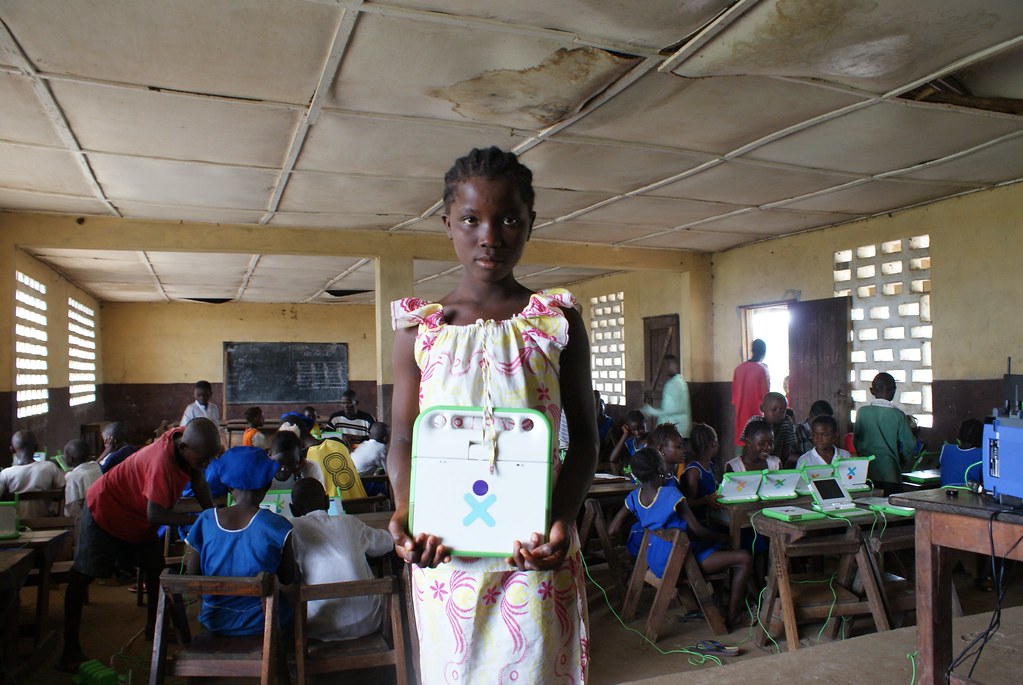
Public primary schooling in Kenya does not charge tuition, and children still stop attending over money. That looks like a contradiction until you sit with a household and work through what a term actually costs them.
Fees are the number everyone quotes, because fees are the only figure written down anywhere. They are rarely what stops a vulnerable child going to school.
The costs nobody puts in the letter
Uniform and shoes. Children grow. A uniform bought two years ago is short in the sleeve and tight across the shoulders, and a child wearing it is visible to everyone at assembly. Shoes are the same problem, faster, because feet grow while the shoes wear out.
Exercise books and pens. Small on their own, and they run out in the middle of term, which is exactly the point at which a household has nothing left.
Transport and lunch. Where the school with a place is not the nearest school, the fare repeats every day the child attends. Lunch is the same shape of cost. Without a feeding arrangement, a child either walks home and back, sits through the afternoon hungry, or does not come.
Contributions. Exams, activities, a trip, a fund for something the school needs. Each is announced at short notice with a fixed date attached.
Sanitary products. For a girl without them, part of every month is lost. It is a predictable recurring cost, and often the first one a household under pressure decides can wait.
Why a child stops going quietly
Children very rarely announce that they cannot afford something. They simply stop going.
The reason is standing among their peers. Saying at home that the shoes have split means asking for money the child already knows is not there. Saying it at school tells the whole room what their household is like. Staying away costs least, and children work that out early.
So the first sign is not a request for help. It is a child who arrives late, then misses the days a payment is due, then misses generally. By the time anyone names money as the reason, weeks have gone.
Caregivers often do not know either. A grandmother told that the fare is fine and the books are fine is being protected by the child. That is not deceit. Children in struggling households are frequently the ones managing the adults' worry.
Why small and timely beats large and late
The costs that push a child out are small, constant and badly timed. A household is rarely defeated by one large demand. It is defeated by several small ones landing in the same week.
Help that matches that pattern works better. A pair of shoes in the week the old ones split keeps a child in class for the rest of the term. The same value at the end of term recovers nothing.
Timing also decides whether a child returns at all. A child who has been away long enough to fall behind starts to feel foolish in class, and the reason for staying away is then no longer money. It is embarrassment, which is much harder to fix.
Large one-off giving has other costs. It tends to be visible, which marks the child out, and it does nothing about the following term, which arrives regardless.
What a household can and cannot absorb
Households caring for vulnerable children are not helpless, and it is worth being precise about where the line actually falls.
They can usually absorb what is ordinary and predictable. Food gets stretched, clothes get repaired, items get shared between children. Where income is small but regular, small and regular costs get met, because they can be planned around.
What breaks them is a demand with a date on it. Something announced at the start of the week and due by the end of it cannot be met by a household whose income arrives in irregular pieces. The money may exist across a month. It does not exist by Friday.
They also cannot absorb two things at once. A funeral and a school term. An illness and a uniform. Either on its own would have been managed.
And they cannot absorb a cost with no end. Fare and lunch never stop, so a household covering them lives at the edge, with nothing set aside for the day something breaks.
What actually helps
Ask the caregiver what this month's obstacle really is, rather than assuming it is fees. The answer is often something small that has been quietly holding a child back for weeks.
Give the item, or give for the item, and give through the adult raising the child rather than around them. That adult keeps the household running long after anyone else has gone.
Keep it discreet. Help handed over publicly at school costs a child standing among the people they sit with every day.
Be reliable rather than generous. A modest amount that arrives when it is needed, term after term, is worth far more than a large gift that arrives once.
Lift A Life Foundation supports households caring for orphans and vulnerable children in Ruiru and the surrounding area. If you know a family where a child has quietly stopped attending, tell us. If you would like to support this work, our M-Pesa paybill is 400200, account 1151353, and the donate page has the rest.
Lift A Life Foundation is a registered Community Based Organisation in Kiambu County. Certificate RSC/3811/CBO/2024. Ask us anything about what we do and how it is paid for.