Disability
The Disability Card and What It Unlocks
A registration that many eligible families have never been told about.
By the Lift A Life Foundation team · · 6 min read
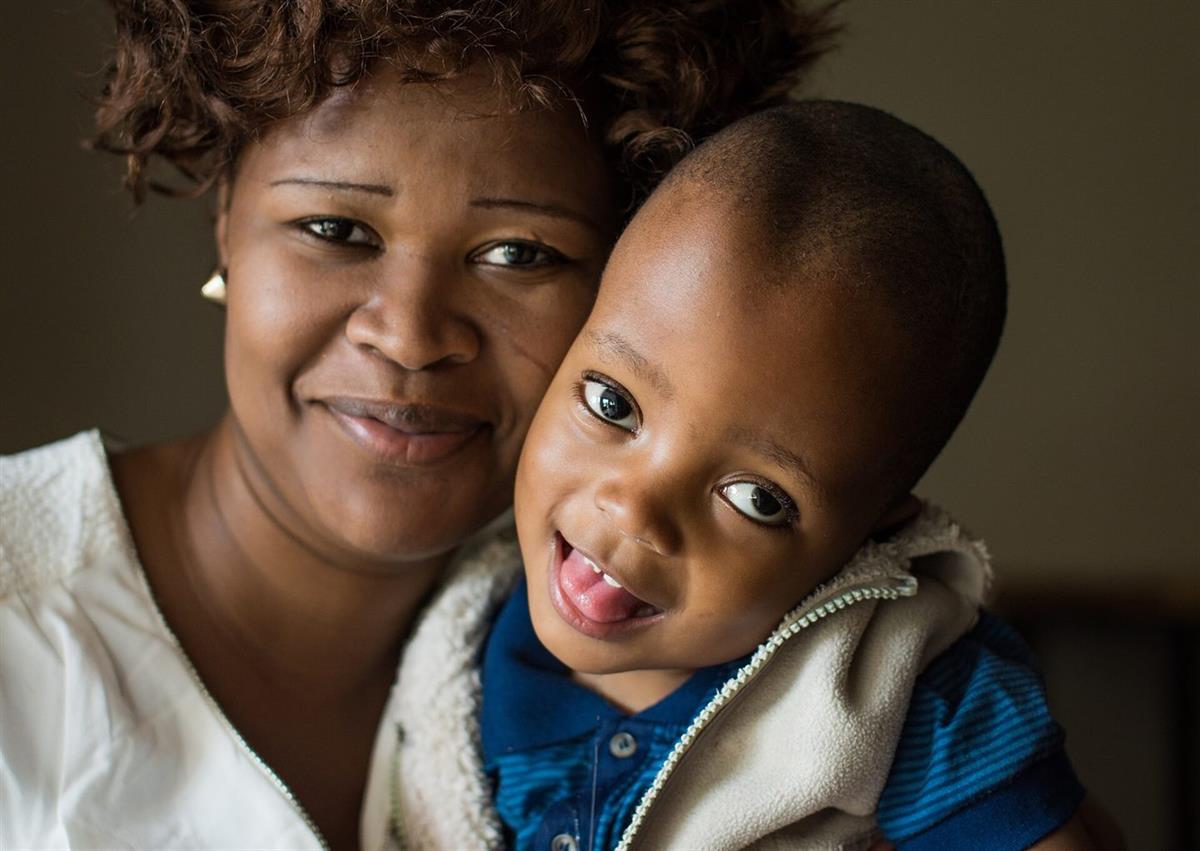
A family we know spent years managing a son's disability entirely on their own and had never heard that the country keeps a register of persons with disabilities. Nobody had told them. That is the ordinary case, not the unusual one.
Kenya operates a national registration for persons with disabilities through the National Council for Persons with Disabilities. It is not a favour and it is not charity. It is a formal recognition, and being on it is what allows the system to see a person it would otherwise never count.
What registration actually is
Registration is the point at which a disability stops being a private family matter and becomes something the system can recognise. Before it, no office anywhere holds a record that the person exists in that way. After it, there is one.
It generally begins with an assessment. The application rests on medical evidence, and that evidence normally comes from an assessment carried out at a designated public health facility. An ordinary note from a private clinic is usually not what is being asked for.
The register is national, the doors are local. The council runs the register, but families deal with county level offices and health facilities to get there. Which office, and what it is currently asking for, is a question with a local answer.
We are deliberately not listing steps, documents, costs or timelines here. Requirements change, and a family who travels with a list that went stale two years ago has lost a day for nothing. Confirm the current position with the council or your county office before you set off.
Why families have never been told
Nobody told them. This is the largest reason by a distance. No letter arrives. Nobody sits a family down and explains the register. People find out by chance, from a social worker, another parent, or a stranger in a queue.
The assessment costs a day. Travel to the facility, waiting, and travel back. In a household where one adult has already stopped earning in order to provide care, a lost day of income is a real decision and not a small one.
The paperwork assumes things. It assumes literacy, confidence in an office, and the ability to keep coming back when something turns out to be missing. A parent who left school early and has been dismissed at a counter once does not readily try a second time.
Some fear the label. Parents worry that registering marks a child permanently, or invites comment from neighbours. That fear is understandable. In practice the family already lives with the reality the label describes, and being recognised is what opens any door at all.
What being registered does, and what it does not
We are careful here, because families have been promised things by well meaning people and then let down.
Registration is a prerequisite, not a payout. Forms of support do exist for registered persons with disabilities, and being registered is what makes someone eligible to be considered for them. It is not a guarantee that any particular one will follow, and anybody who says otherwise is guessing.
It also does something quieter that matters. It puts a person on record. Planning, budgets and services are built around counted people, and someone nobody has counted is easy to leave out of all three.
What any of it amounts to in a given year is not ours to state. Ask the council or the county office what currently applies to your own situation.
Why we help with this
Advocacy is one of the three activities Lift A Life Foundation is registered for, alongside caring for orphans and vulnerable children, the elderly and persons with disabilities, and networking and community building. Helping a family through registration is what advocacy looks like on an ordinary Tuesday.
It is unglamorous work. A conversation on a bench. A phone call to find out what the office is asking this month. Sometimes it is walking into a government building beside someone who would rather not go alone.
We do it with a family, not for them. Someone who understands the route at the end of it can use it again, walk a neighbour through it, and speak for themselves at the counter next time. That is worth considerably more than us being the only people who know.
None of this makes us an authority on the process. We are a community based organisation registered with the County Government of Kiambu, certificate RSC/3811/CBO/2024, working in Ruiru. What we have is time, some experience of the route, and no reason to hurry anyone.
If this is your family
If you are caring for someone with a disability in Ruiru or the surrounding communities and nobody has ever mentioned registration to you, that is not a failing on your part. It is a failure of who tells whom.
Ask before you travel. Rather than spending a day and a fare on a guess, find out what is currently required. A hospital social work department or a county social services office can usually say where to begin.
If you would rather have somebody work it out alongside you, get in touch. And if you know this system from the inside, or have a free morning and a way to get someone to an appointment, say so on our get involved page.
Lift A Life Foundation is a registered Community Based Organisation in Kiambu County. Certificate RSC/3811/CBO/2024. Ask us anything about what we do and how it is paid for.