Community
The Neighbour Is the First Responder
Before any organisation arrives, somebody two gates down has already noticed. A neighbour who looks, asks and tells somebody is the only early-warning system a small community organisation has.
By the Lift A Life Foundation team · · 6 min read
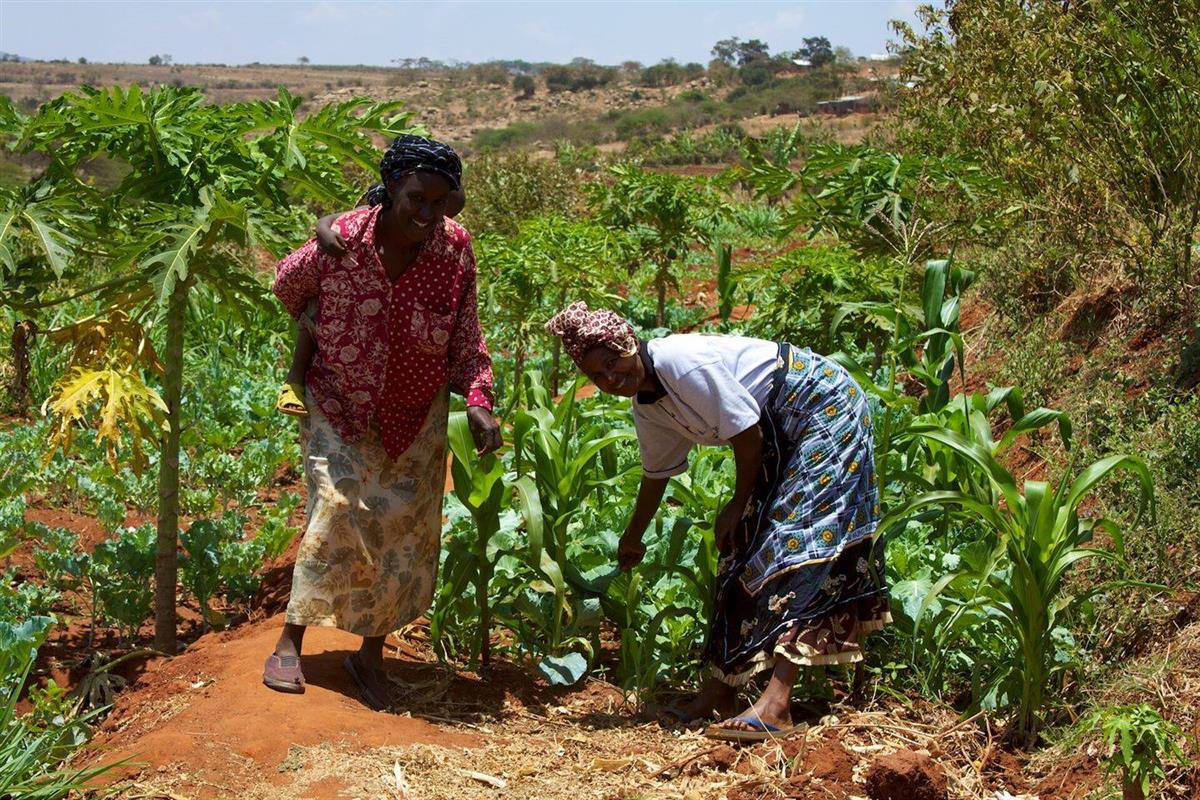
Before any organisation arrives, somebody has already seen. The child who used to leave for school in uniform and now leaves in ordinary clothes, or does not leave at all. The house where the cooking smoke did not rise this morning. The gate that has stayed shut for three days on a compound where somebody old lives alone. None of that is visible from an office. It is visible from two gates down.
Lift A Life Foundation is a community based organisation registered with the County Government of Kiambu, working in Gitothua Ward in Ruiru Sub County. One of our three registered activities is networking and community building. That phrase sounds like meetings. What it mostly means is this: a ward where neighbours notice, and where they know who to tell.
The neighbour sees first because the neighbour is there
Nobody else holds the comparison. A visitor from outside sees a house once and has nothing to measure it against. The neighbour saw it yesterday and last month and last year. They know that the old man normally sits outside by ten and that the children of that house normally make noise. Change is only visible to somebody who knew what normal looked like.
The signs are small and ordinary. A gate that stays shut. Washing that has hung on the line for a week. A child who is home on school days. A person who has become thinner, or quieter, or who has stopped greeting people. On their own, each is nothing. Seen by somebody who has been watching for years, together they are a question worth asking.
Time is the whole difference. Most of the situations we are registered to work with, whether an orphaned child, an elderly person alone, or a person with a disability whose carer has stopped coming, get harder the longer they run unnoticed. A neighbour who speaks in the first week changes what is possible. A report that arrives after months arrives at a much worse point.
What a neighbour can do without money
Look. This costs nothing and most of it is already happening. The only change is to treat what you notice as information rather than background.
Ask. A greeting at the gate. Is everything all right, we have not seen you. Are the children on holiday. Most of the time the answer is fine, and that is a good outcome. Asking is also how a person who is struggling finds out that somebody has noticed.
Tell somebody. If the answer is not fine, or there is no answer, say so to somebody who can act. That might be a relative, the church, the chief's office, the school, or us. You do not need to know what the right help is. You need to make sure the situation is known by somebody whose job includes doing something about it.
Keep looking. A single report is not the end of it. Help can be slow, and things change. The neighbour who passes the gate every day is still the only person in a position to notice whether anything actually improved.
Where a neighbour should stop
Noticing is not taking over. A household in difficulty is still that household. The adults in it still decide, and a child still belongs to their family. A neighbour who steps in and starts managing another family's affairs usually makes things worse, and makes the family less willing to accept help from anyone.
Concern is not gossip. There is a real difference between telling one person who can act and telling everybody who will listen. The second version helps less, and it teaches the family that being noticed means being talked about. If you would not say it to the person's face, do not say it to the market.
Consent matters, even when you are worried. Where the person is an adult and able to decide, ask before you bring anyone to their gate. Tell them who you want to tell and why. Most people, given the choice, say yes. Those who say no still know that somebody cares.
The line is simple. Say what you saw, to somebody who can act, with the person's knowledge where possible, and then step back.
Why a small organisation depends on this
We are small. We do not have staff walking every path in Gitothua, and we have not published impact numbers because we would rather report something real than something early. What we have is the ward itself, and the people in it who are willing to tell us things.
That is the only early-warning system a community based organisation of our size can have. We do not find the child who stopped going to school by looking. We find out because a neighbour mentioned it. We do not know that an old woman has not opened her gate until somebody who passes it every day thought it was worth saying.
This is why community building is a registered activity and not a slogan. Every person who knows that we exist, and knows that telling us is easy and will be treated with care, is a person whose noticing can turn into something. The more of those people there are, the earlier we hear, and the earlier we hear, the more we can do.
How to reach us
If you have noticed something in your neighbourhood and are not sure whether it matters, tell us anyway. We would rather hear about the thing that turned out to be nothing than miss the thing that was not. We are not clinicians and we do not replace the school, the chief or the clinic. We will listen, and follow it up with whoever is right for it.
You can contact us with what you have seen. If you want to be one of the people in this ward who looks, asks and tells, get involved. Nothing about it needs money. It needs somebody two gates down who is paying attention.
Lift A Life Foundation is a registered Community Based Organisation in Kiambu County. Certificate RSC/3811/CBO/2024. Ask us anything about what we do and how it is paid for.