
Accountability
Why We Keep a Diary
A community based organisation is required to keep a written record of what it does. We would keep one anyway: it is the cheapest way for a small foundation to earn trust it has not yet built.
By the Lift A Life Foundation team · · 6 min read
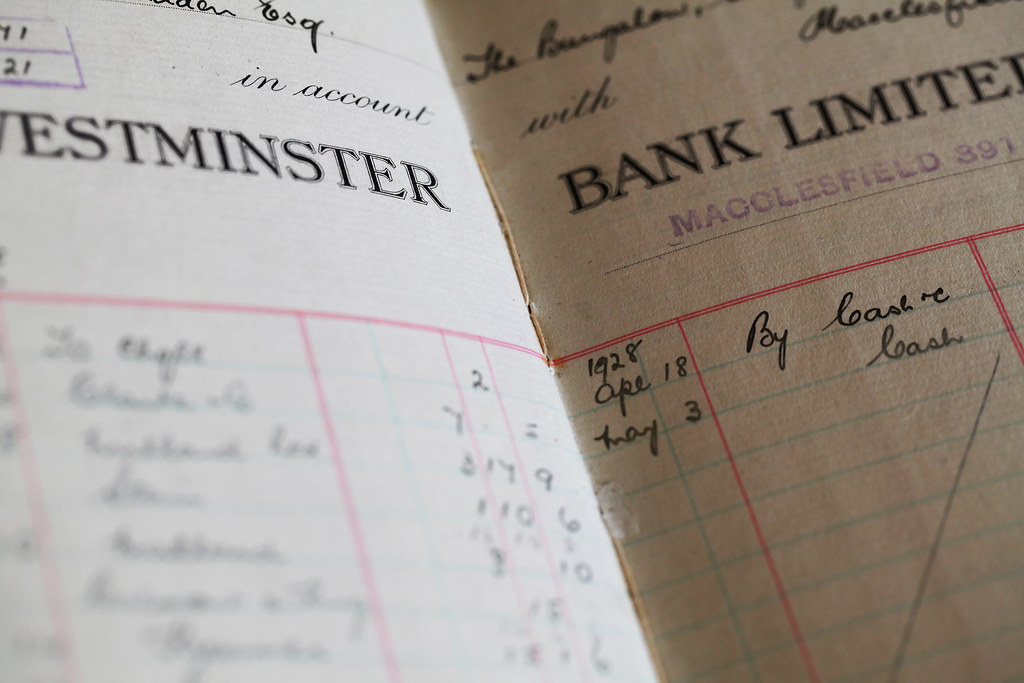
A community based organisation in Kenya keeps a diary of activities because it has to. A CBO certificate comes with conditions: renew it every year, file returns every quarter, and keep a written record of what was done. We are registered with the County Government of Kiambu, Department of Education, Gender, Culture and Social Services, certificate RSC/3811/CBO/2024, issued on 22 February 2024 for Ruiru Sub County, Gitothua Ward. The diary is part of that arrangement.
We would keep one anyway. A small foundation runs on trust it has not yet earned, and a diary is the cheapest way to earn it.
What an entry contains
The date and the place. Every entry starts with when and where. Not the ward or the estate, but the actual place a person went, because the point of the record is that it could be checked. An entry that says "the community" cannot be checked by anybody.
Who was seen. The household or the person visited, and who from the foundation went. If two people went, it names both. This is not suspicion. It is so that a question asked a year later has an answer that does not depend on anyone's memory.
What was done. A visit, a referral, a meeting with a school, a delivery. Written plainly, in the words a neighbour would use. If a visit was made and nothing came of it, the entry says so.
What was spent. Fares, purchases, anything paid out, with the amount and what it was for. Where a receipt exists, the entry notes it. The treasurer's records and the diary should tell the same story, and when they do not, the difference is the first thing to look at.
What we leave out
The diary is a record that officials may inspect and that donors may ask to see. That makes it, in practice, a public document, and some things do not belong in a public document.
Children's names stay out. Orphans and vulnerable children are among the groups we are registered to serve, and a child's circumstances are not ours to publish. The diary records the household and the guardian, and the child is described by relationship or by a reference the officials can resolve if they need to. Nobody should be able to pick up our diary and learn which child in Gitothua lost a parent.
Medical details stay out. The elderly and persons with disabilities are also among the groups we serve, and their conditions come up in conversation. The diary records that a clinic visit was arranged or that a referral was made. It does not record the diagnosis, the medication or what a doctor said. We are not clinicians, and a person's health is theirs.
Anything said in confidence stays out. The diary is written as though the whole room will read it, because one day it might.
What the diary protects
Money and memory both get questioned, and usually at the same time. A relative asks why one household received help and another did not. A donor asks where a contribution went. An official asks what the foundation did in the quarter. Each is a fair question, and each is impossible to answer honestly from memory alone.
The diary protects the household first. When a visit is written down, nobody can later say it was invented, and nobody can say the help went somewhere it did not. A household in the record is one whose case has to be dealt with, rather than forgotten when funds are short.
It protects the foundation next. Three officials, Eunice Wangari Muthoni as Chairperson, Judith Muthoni Wangari as Secretary and Peter Minja Macharia as Treasurer, are the people whose names sit on the certificate. Any two of them sign. The diary is what stands behind their signatures. If a payment is queried, the entry shows the day, the purpose and the person who went. If it is not in the diary, we treat it as not having happened, and we prefer to find that out ourselves before anyone else does.
It also protects whoever did the work. A volunteer who spent a day and a fare on our behalf should not have to argue about it afterwards.
How it feeds the quarterly return
The quarterly return goes to the county department and describes what the organisation did in the period. Without a diary, it is written from recollection at the end of three months, which is how returns become vague and how vague returns become a problem at renewal.
With a diary, the return is a summary of pages that already exist. The activities are grouped under the three things we are registered to do: caring for orphans and vulnerable children, the elderly and persons with disabilities; advocacy; and networking and community building. The spending is totalled from the entries and checked against the treasurer's figures. Whatever the return claims can be traced back to a dated entry, which is the standard an official is entitled to apply and the one we apply to ourselves.
Annual renewal is the same exercise at a larger scale. Four returns and a full diary make it a matter of paperwork. No diary makes it a matter of persuasion.
Why a donor is welcome to read it
We have not published impact numbers, because we do not yet have figures we would stand behind. What we have instead is the diary, and anyone considering giving to us is welcome to read it, with the same things withheld from everyone: children's names and medical details.
Reading it will not be dramatic. It is dates, places, fares and short descriptions of ordinary work. That is the point. A donor who has read it knows what the money does on a Tuesday, which is worth more than any summary.
If you want to see how we work before deciding whether to support it, start with who we are, and then ask to read the diary.
Lift A Life Foundation is a registered Community Based Organisation in Kiambu County. Certificate RSC/3811/CBO/2024. Ask us anything about what we do and how it is paid for.