
Networking
Working With the Chief and the County
Networking is a registered activity, not a nicety.
By the Lift A Life Foundation team · · 6 min read
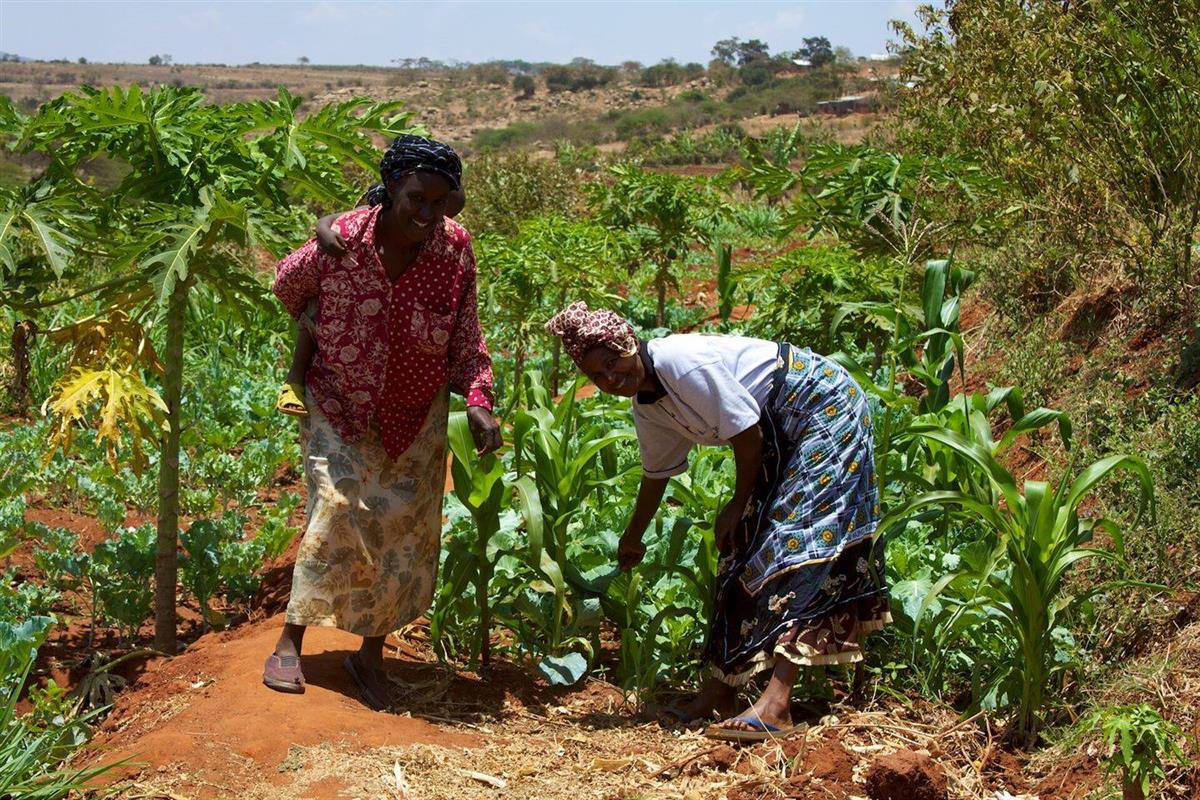
Networking and community building is one of the three activities Lift A Life Foundation is registered for. In practice, much of what that means is a working relationship with people who hold an office: the assistant chief, the county social services desk at sub county level, the head of a nearby school, the staff at the closest health facility.
None of that rests on an agreement. We hold no memorandum with any office and claim no accreditation beyond our registration as a Community Based Organisation in Kiambu County. What we have is a certificate that gives us a name to introduce, and the habit of introducing ourselves first.
They already know who is struggling
The chief's baraza is the best information system in the area, and it is free. It is where a community says out loud what it is worried about. An assistant chief hears about the household that lost its earner, the family that has taken in three grandchildren, the dispute that has left an old woman with nowhere to go. That knowledge accumulates over years and is written nowhere.
The school register knows more about household distress than any survey we could design. Attendance drops before a family tells anyone that things have gone wrong. A uniform stops being replaced. A pupil starts arriving without having eaten. Head teachers read those signals constantly.
The health facility sees another version of the same thing. An elderly patient who stops collecting medication. A child with a disability whose family has run out of ways to reach appointments.
We could run our own assessment instead, and it would be worse. A household visited by strangers with a form tells them what feels safe to say. Assessment has its place, but as a way of confirming what people who live and work there already know, not as a substitute for asking them.
We ask first, and we arrive without a programme
Our first conversation in a new area is an introduction, not a proposal. Who we are, what our certificate says we may do, and what we would like to help with if it is useful. Then we listen, because the answer often differs from what we expected.
Part of this is courtesy. Most of it is practical. An assistant chief is answerable for what happens in their location, and a head teacher for what happens in their school. Turning up with a plan already finished tells them their judgement was not wanted, a poor way to begin something you hope will last years.
It also protects families. A household approached by a group nobody in authority recognises is right to be cautious. When the office already knows who we are, that caution has somewhere to go.
Each of them can do something the others cannot
The assistant chief can convene. Nobody else can call people together and have them actually come. That capability is the difference between an announcement and a meeting.
The county social services office can decide. Support exists that families never receive, and the office holds the criteria, the forms and the authority. No goodwill of ours substitutes for that.
The school can identify a child without exposing them. A head teacher can raise a concern quietly, without marking a pupil out in front of their classmates. We could not do that from outside.
The health facility carries clinical judgement we do not have and must not imitate. Our part is transport, follow up, and making sure someone actually goes back.
What we can offer is follow through. We are small, but we can hold one case for months, make the fourth phone call, and return to an office with the document that was missing. Offices carrying hundreds of cases rarely have that time. It is unglamorous, and frequently the whole difference.
Treating officials as obstacles costs the families
Some organisations arrive assuming government is something to be worked around. It is an understandable instinct after a slow process, and it is expensive. A group that routes around the chief loses the people who know the area, and one that avoids the county loses the support the county controls.
These offices are usually stretched thinner than we are. The question worth asking is not whether they move quickly, but whether we are one more demand or occasionally useful. We try to be the group that turns up when asked, brings the paperwork complete, and files what it said it would file.
Our registration requires annual renewal and quarterly returns. Those obligations keep us in regular contact with the county office, which turns out to be the point of them.
What this looks like week to week
Mostly it looks like nothing. A visit to introduce ourselves. Attending when invited. Asking a question, being told to come back, and coming back. Relationships of this kind are built long before they are needed, and are useless if you only appear when you want something.
If you hold an office locally and want to know who we are, our about page sets out our registration and what we are and are not able to do. If you can see something we could usefully take off your desk, tell us.
And if you are setting up a group of your own, start at the chief's office. It is the shortest route to understanding the place you intend to serve.
Lift A Life Foundation is a registered Community Based Organisation in Kiambu County. Certificate RSC/3811/CBO/2024. Ask us anything about what we do and how it is paid for.